Start with The Omnivore's Dilemma. It is the book that made his argument and the one everything else answers to, and it is built as four sections following four meals, so read a section at a time rather than by page count. The corn section is the densest and slowest; the hunting and foraging section is the one people finish in a night.
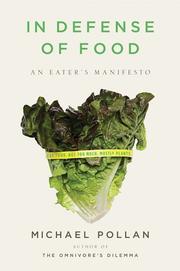
The obvious alternative is In Defense of Food, which is shorter, more practical and contains the famous seven-word instruction about eating food, not too much, mostly plants. Starting there gives you the conclusion without the reporting. Read The Omnivore's Dilemma first and the advice arrives with the evidence attached rather than as a slogan.
One thing to know before you start: the book was published in 2006, so the specific economics are dated even though the structure of the argument is not. Read the numbers as of their moment.
What to actually eat
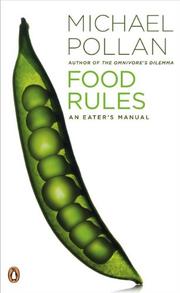
In Defense of Food is roughly 200 pages and argumentative — three or four sittings. Food rules is sixty-four one-line rules and takes an hour; treat it as an index card summarising the previous two books rather than a fourth argument. Read In Defense of Food first and Food rules immediately after, in one sitting, or the rules will read as unsupported folk wisdom.
The central claim of In Defense of Food is that nutrition science has spent decades reducing food to its component nutrients and getting worse advice as a result. Nutrition researchers have pushed back on that framing at length, and the argument about whether whole-food reasoning or nutrient-level reasoning gives better public guidance is genuinely unsettled. Read it as one side of a live dispute.
Back to the garden
Reset your expectations here, because only one of these three is about food, and the path is deliberately going backwards in time to books written before he became a food writer.
The botany of desire is four self-contained essays — apple, tulip, cannabis, potato — across roughly 270 pages, and it is the easiest reading he has ever done. Second Nature is his first book and is rougher, more personal and slower, an account of making a garden. A Place of My Own is about carpentry and architecture, has no food in it at all, and is the one people stall on; a chapter a sitting is the honest pace.
Cooking, and then consciousness
The longest books on the path. Cooked runs about 470 pages in four parts organised by fire, water, air and earth, and is best read one element at a time with actual cooking in between. How to Change Your Mind is around 460 pages and the densest thing he has written, mixing the history of psychedelic research with reporting on current clinical trials. This Is Your Mind on Plants is three long essays — opium, caffeine, mescaline — and can be read separately over a week.
Know what the last two contain before you start rather than three chapters in. Both are first-person accounts of taking drugs: psilocybin, LSD and mescaline, plus self-experiments with caffeine withdrawal and with opium poppies grown in his own garden. Readers who would rather not follow a writer through his own drug experiences should choose accordingly.
Where to stop
Three books is a complete Pollan for most people: The Omnivore's Dilemma, In Defense of Food and The botany of desire. If the psychedelic research is what brought you here, How to Change Your Mind stands alone perfectly well and needs none of the food books first. The reading paths index has the nutrition-science routes if you want the other side of the argument.
Follow the full ordered path here: Michael Pollan Reading Order: Where to Start.
Ready to learn something deeply?
Build a reading path — free