Metaphysics is the branch of philosophy that asks the biggest, oldest questions: what exists, what time is, whether we have free will, what it means for anything to be one thing rather than many. Because those questions are so broad, the literature is scattered — from charming puzzle books to technical works that read like symbolic logic. Pick wrong and you either learn nothing or bounce off a wall.
The solution is to climb gradually. Start with books that make the questions vivid, add a proper survey, then read the historical and contemporary works that argue the answers with full rigor.
Make the questions vivid
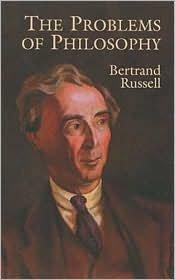
Open with The Problems of Philosophy by Bertrand Russell, which introduces the core metaphysical puzzles with unmatched clarity. Then, for sheer momentum, Sophie's world by Jostein Gaarder tells the whole history of philosophy as a novel, and The philosophy book from DK maps the terrain visually. To feel metaphysics as a game your mind actually plays, The pig that wants to be eaten by Julian Baggini offers a hundred thought experiments that turn abstractions into dilemmas.
Get the proper survey
Now go for structure. Metaphysics A Very Short Introduction by Stephen Mumford is the ideal compact overview — objects, properties, causation, possibility. Metaphysics by Alyssa Ney is a fuller, rigorous textbook that walks the contemporary debates in order. And on the question everyone cares about most, Free will by Sam Harris is a short, provocative case against libertarian free will that sharpens your own view whether or not you agree.
Read the classics and go deep
With the survey in hand, meet the sources and the hard modern work. Descartes's Discourse on Method and Meditations and Hume's Dialogues concerning natural religion are foundational to how metaphysics and epistemology intertwine. Then push into contemporary depth: The possibility of altruism by Thomas Nagel argues that reason itself commits us to caring about others, and On the Plurality of Worlds by David Lewis makes the audacious case that all possible worlds are as real as our own — the most bracing metaphysics on this list, and worth the climb.
Read in this arc, metaphysics stops feeling like idle speculation and becomes a disciplined attempt to say what reality is actually made of. Follow the full reading path for the staged version with study notes, or browse the subject hub.
Ready to learn something deeply?
Build a reading path — free