Medical laboratory scientists perform and interpret the tests that inform the majority of medical decisions, and it is a credentialed profession requiring an accredited degree, clinical training, and a certification exam such as the ASCP Board of Certification. Books complement that training rather than replace it. The discipline spans microbiology, hematology, chemistry, and more, so reading in order helps you build one pillar at a time.
Start with the wonder and context, move through the core lab sciences, then consolidate with board review.
Start with context and inspiration
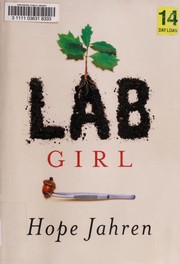
Begin with The Body, a delightful and informative tour of human biology that reminds you what all this testing is ultimately about. Lab Girl offers a scientist's memoir that captures the texture of a life in the lab. Neither is a textbook, but both build the curiosity and context that make the technical work meaningful.
Master the core disciplines
The heart of MLS training is a set of specialties. Study guide for Microbiology and Clinical microbiology made ridiculously simple teach the organisms and identification methods behind infectious disease testing. Rodak's Hematology covers blood cells and disorders, and Clinical Chemistry addresses the biochemistry of bodily fluids. Henry's clinical diagnosis and management by laboratory methods is the comprehensive reference tying it all together. Because sound testing depends on sound statistics, Basic and clinical biostatistics gives you the quantitative literacy the field requires.
Review for certification
The path ends at the board exam. Medical Laboratory Science Review is a widely used review resource covering every subject on the certification test, and Linne & Ringsrud's clinical laboratory science serves as both a comprehensive learning text and a review. Use these to consolidate after your coursework and clinical rotations.
Read in this order and the lab's many specialties become a coherent curriculum. Follow the full path, then complete an accredited MLS program and certification to work in the field.
Follow the full reading path →
Ready to learn something deeply?
Build a reading path — free