An MBA is really a survey: a broad tour across business functions plus a way of thinking about strategy and decisions. Most of that content lives in books, and you can learn it for the price of a few of them — but only if you read in the order a good curriculum would sequence it. Jump around and you'll have finance without context or strategy without the fundamentals to apply it.
Start with the map of the whole territory, then go deep on the two functions that trip people up most (finance and accounting), then strategy and execution. That's roughly how the disciplines build on each other.
Get the whole map first
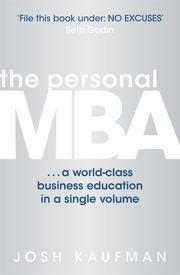
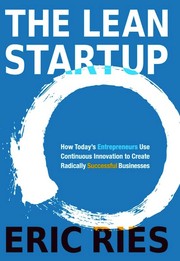
Begin with The personal MBA by Josh Kaufman, an explicit survey of the ideas a business degree covers — the ideal orientation before you specialize. Then The Lean Startup by Eric Ries adds the modern lens of testing and iteration that every function now assumes.
Master the money side
Finance and accounting are where non-finance people stall, so tackle them deliberately. The accounting game by Darrell Mullis teaches the fundamentals through a running story, making a dry subject genuinely intuitive. Financial intelligence by Karen Berman then translates the statements into what a manager actually needs to know to read a business by its numbers.
Strategy, marketing, and execution
Now the thinking that ties functions together. Competitive Strategy by Michael Porter is the foundational framework for how firms compete, and Good Strategy, Bad Strategy by Richard Rumelt is the sharp corrective that teaches you to tell real strategy from fluffy goal-setting. Marketing management by Philip Kotler is the comprehensive reference for the demand side. For execution and judgment, The Effective Executive by Peter Drucker distills what actually makes managers effective, Thinking Strategically by Dixit adds the game-theory lens for competitive decisions, and Outsiders, The by William Thorndike shows those principles paying off — CEOs who compounded value through disciplined capital allocation.
Read the path in order and you'll carry the useful core of an MBA without the tuition or the two years.
Follow the full reading path →
Ready to learn something deeply?
Build a reading path — free