"Growth hacking" earned a bad name because people copied tactics without the method behind them. Real growth marketing is a disciplined loop: form a hypothesis, run a rigorous experiment, read the metrics honestly, and repeat. Tactics are downstream of that engine. Which is exactly why the reading order matters — you build the engine first, then feed it.
Start with the lean mindset of testing before scaling, then learn where growth actually comes from (channels and product hooks), then the mechanics of experimentation and measurement that keep you honest. Skip to the tactics and you'll optimize a leaky bucket.
Build the experimental mindset
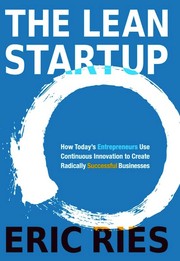
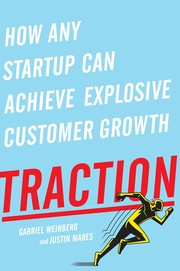
Begin with The Lean Startup by Eric Ries, the foundation of build-measure-learn thinking that underlies everything downstream. Then Traction by Gabriel Weinberg gives you the map of nineteen channels and a framework for systematically finding the ones that work for you, and Hacking growth by Sean Ellis — from the person who coined "growth hacking" — assembles it into a repeatable cross-functional process.
Understand what drives growth
Growth lives in the product and in human behavior, not just the ads. Hooked by Nir Eyal explains the psychology of habit-forming products, the engine of retention. Contagious by Jonah Berger covers the science of word of mouth and why things spread. And The Cold Start Problem by Andrew Chen tackles the hardest case — network effects and how to get a two-sided product off the ground.
Experiment and measure with rigor
This is where amateurs and professionals diverge. Trustworthy Online Controlled Experiments by Ron Kohavi is the definitive guide to A/B testing done right, so you stop fooling yourself with bad experiments. Lean Analytics by Alistair Croll teaches you to pick the one metric that matters at each stage. Then position and package the growth: Obviously Awesome by April Dunford on nailing positioning so growth has something true to amplify, and Subscribed by Tien Tzuo on the recurring-revenue models that make growth compound.
Read the path in sequence and you'll run experiments that actually scale — not hacks that flare and die.
Follow the full reading path →
Ready to learn something deeply?
Build a reading path — free