The biggest danger for a new investor is not picking the wrong stock; it is reading the wrong book first. Start with an aggressive stock-picking guide before you understand fees, diversification, and your own psychology, and you will make expensive, confidence-shattering mistakes. Investing rewards a reading order that builds a sturdy foundation and the right temperament before it hands you the tools to analyze individual companies.
This is not investment advice, and no book replaces your own judgment or a fee-only advisor for your specific situation. But read in order, these build genuine understanding rather than false confidence.
Build the foundation and the right mindset
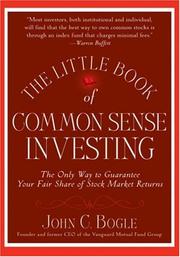
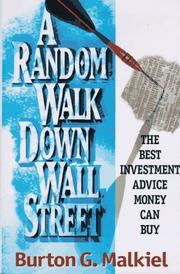
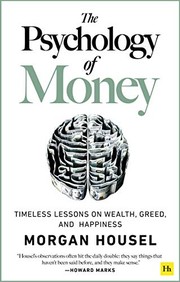
Start with John Bogle's The Little Book of Common Sense Investing, the clearest possible case for low-cost, long-term index investing, the sensible default most people should beat only deliberately. Pair it with Burton Malkiel's A Random Walk Down Wall Street, which explains why markets are hard to beat and why humility is an edge. Then, crucially, read Morgan Housel's The Psychology of Money, because your behavior, not your analysis, determines most of your results.
Learn to think like an investor
Now graduate to the analytical classics. Benjamin Graham's The Intelligent Investor is the foundational text on value, margin of safety, and treating stocks as ownership stakes rather than lottery tickets. Peter Lynch's One Up On Wall Street argues persuasively that ordinary investors can find great companies by paying attention to what they already understand.
Analyze companies and go deeper
When you are ready to evaluate businesses yourself, Thomas Ittelson's Financial statements teaches you to actually read the numbers, an unglamorous but essential skill. Joel Greenblatt's The little book that still beats the market offers a simple, systematic value framework. Philip Fisher's Common Stocks and Uncommon Profits deepens the qualitative side, judging management and growth. And William Bernstein's The four pillars of investing ties theory, history, psychology, and portfolio construction together, a strong capstone that returns you to sensible whole-portfolio thinking.
Follow the full reading path to move from confused and cautious to a grounded investor who understands both the market and yourself.
Follow the full reading path →
Ready to learn something deeply?
Build a reading path — free