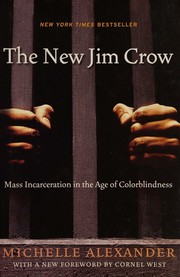
The best-known book on American mass incarceration is also the most disputed among the researchers who study it. That sounds like a reason to skip it. It is the opposite: almost every serious book published since is in conversation with it, and you cannot follow the argument from the middle. Read it first, then read the work written to contest it, and keep both.
The other thing that trips people up here is scale confusion. "Mass incarceration" covers federal prisons, state prisons, county jails, probation, parole and immigration detention, and these systems have different drivers and different politics. A claim that is true of the federal drug docket can be flatly wrong about the state prison population, which is where the overwhelming majority of people actually are. The reading order below is designed to make that distinction visible early.
The argument, and the argument against it
Start with The New Jim Crow by Michelle Alexander, the book that moved this subject from criminology journals into general conversation. Its case is that the drug war produced a racial caste system by other means. Then read Locked in by John F. Pfaff, which was written substantially in response. Pfaff argues from the state-level data that drug offences are not the main driver of prison growth and that the decisive actor is the county prosecutor, whose charging discretion is nearly invisible and almost entirely unreviewable. These two books disagree on the central causal question, and the disagreement is live. Do not let anyone, including us, settle it for you.
Locking up our own by James Forman complicates both. Forman documents how Black officials, judges and community leaders in Washington, D.C. supported tougher enforcement, often for reasons that made sense to the people asking for it. It is the book that makes the subject stop being simple.
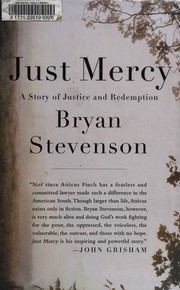
Alongside those, Just Mercy by Bryan Stevenson supplies what the data cannot — what the system does to individual people, told by a lawyer who has spent his career inside it. Read it whenever you like; it works as an entry point too.
How it got built
The Collapse of American Criminal Justice by William J. Stuntz argues that the structural failure is procedural — that American criminal justice traded substantive fairness for proceduralism and left discretion pooled in the wrong hands. The condemnation of blackness by Khalil Gibran Muhammad goes back to the late nineteenth century to trace how crime statistics themselves were built into an argument about race. Punishment and inequality in America by Bruce Western supplies the sociology: what incarceration does to employment, family formation and income across a lifetime.
Golden Gulag by Ruth Wilson Gilmore explains the California prison boom in terms of land, capital and surplus labour rather than crime rates, and is the foundational text of the prison abolition position. It is an argument with a politics, stated openly, and it is worth reading as such rather than as neutral background.
Inside, and after
Blood in the water by Heather Ann Thompson is the definitive account of the Attica uprising and its aftermath, built on records the state fought to keep sealed. Crook County: Racism and Injustice in America's Largest Criminal Court by Nicole Gonzalez Van Cleve is an ethnography of Cook County's courthouse culture, and the most uncomfortable book here. American prison by Shane Bauer is undercover reporting from a private prison, paired with the history of convict leasing.
Finish with Halfway Home by Reuben Jonathan Miller on what happens after release — the thousands of legal restrictions that make "served your sentence" a technicality rather than a fact.
None of these books is a guide to your own case or anyone else's, and nothing here is legal advice. What the sequence gives you is the ability to tell which claim rests on data, which on history, and which on a political argument that is being made openly. Follow the full path for the study notes at each stage.
Follow the full ordered path here: Mass Incarceration in America: The Best Books to Read, in Order.