No event in American history is more contested in public memory than the Civil War — what caused it, what it accomplished, and what its unfinished ending still means. That makes reading order unusually important. Start with battlefield narrative alone and you can absorb a romance of the war that a century of scholarship has dismantled; start with the historiographical debates and you have opinions before you have facts. This path is sequenced to give you the evidence first, the voices second, and the memory wars last — and it deliberately includes books that frame the war differently, so you learn to weigh interpretations rather than inherit one.
Civil War Books: A Reading Path Through War & Reconstruction
July 11, 2026 · 3 min read
Why order matters here
The Civil War bookshelf contains genuinely different kinds of books: synthetic history, soldier-level narrative, primary testimony, economic history, and fiction. Each is strongest when you can place it — knowing, for instance, that the lost-cause framing shaped popular narrative for generations helps you read older classics with the right filter. Foundation, then causes, then experience, then aftermath.
The path, stage by stage
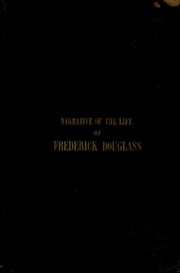
Start with the definitive synthesis. Battle Cry of Freedom by James McPherson is widely considered the best single-volume history — politics, battles, economics, and emancipation woven together, with the evidence on causes laid out plainly. Then read the primary testimony that grounds everything: Narrative of the Life of Frederick Douglass, the firsthand account of slavery from the man who became its most powerful witness. It is short, it is searing, and it settles what the war was about at the level of human fact.
Then go deeper on causes. The Half Has Never Been Told by Edward Baptist argues slavery was not a feudal remnant but the engine of American capitalism — a framing some economic historians dispute in its particulars, which makes it a productive argument to read critically. What This Cruel War Was Over by Chandra Manning uses soldiers' own letters, North and South, to show what the men fighting believed the war was about.
Now the war as experienced. Team of Rivals by Doris Kearns Goodwin follows Lincoln managing his cabinet of former opponents — the finest study of political leadership under existential pressure. The Killer Angels by Michael Shaara puts you at Gettysburg through fiction so vivid it shapes how historians talk about the battle. And The Civil War: A Narrative by Shelby Foote is a monumental literary telling — read it for its prose and sweep while noticing its Southern-sympathetic framing; it is one perspective in a live argument, not the final word. The South vs. the South by William Freehling adds the underappreciated point that anti-Confederate Southerners, Black and white, helped decide the outcome.
Finish with the ending that wasn't. Reconstruction by Eric Foner is the authoritative account of America's boldest experiment in interracial democracy and its violent overthrow. Then The New Jim Crow by Michelle Alexander carries the thread into the present — a widely debated argument about mass incarceration as a successor system, best read as a provocation to test against the history you now know.
The staged order with study plans is at the full reading path.
How to actually study this
Keep a claims ledger: for each big interpretive question — why the war came, why the Union won, why Reconstruction failed — note what each author argues and what evidence they marshal. Where Foote and McPherson diverge in emphasis, sit with the divergence; that is historiography happening in front of you. Hold conclusions loosely on the contested edges, and firmly where the primary sources speak plainly.
Start at the Civil War hub, or browse related paths on race in America to continue the story past 1877.
FAQ
- What is the best single book on the Civil War?
- Battle Cry of Freedom by James McPherson — the standard one-volume history, covering politics, battles, and emancipation with the scholarship behind it.
- Should I read Shelby Foote or James McPherson first?
- McPherson first. Foote's narrative is a literary landmark, but its Southern-sympathetic framing reads best once you already know the evidence on causes.
- Why read about Reconstruction after the war?
- Because the war's meaning was decided afterward. Eric Foner's Reconstruction shows how emancipation's promise was built and then violently rolled back — the war's real ending.
Get the books
- 1Battle Cry of Freedom Part 1 of 3Amazon ↗James M. McPherson
- 2The Civil War: Vol. 1- A NarrativeAmazon ↗Shelby Foote
- 3Narrative of the life of Frederick DouglassAmazon ↗Frederick Douglass
- 4The Half Has Never Been ToldAmazon ↗Edward E. Baptist
- 5Team of RivalsAmazon ↗Doris Kearns Goodwin
- 6What this cruel war was overAmazon ↗Chandra Manning
As an Amazon Associate we earn from qualifying purchases. Some book links are affiliate links; you pay the same price and we may earn a small commission.
Follow the full reading path


The Civil War & Reconstruction
Beginner10books105 hrs4 stages
Ready to learn something deeply?
Build a reading path — free