The most common mistake people make with feminism is treating it as a single position you accept or reject. It is closer to a two-century argument — between waves, between traditions, between thinkers who read each other closely and disagreed hard. Pick up one book and you get one voice; read the conversation in order and you can hear the arguments answering each other. This path is deliberately built from multiple, often conflicting perspectives, and it works best if you hold your conclusions loosely until the later stages.
Feminism Books: The Essential Reading Path, in Order
July 11, 2026 · 3 min read
Why order matters here
Feminist writing is unusually referential: later thinkers assume you know the earlier ones, often because they are arguing against them. Black feminist critiques land differently once you have read the texts they were critiquing. Theory that seems needlessly difficult in isolation makes sense as a response to specific predecessors. Chronology-with-onramps is the natural order — with two friendly modern openers first, so the classics have a frame.
The path, stage by stage
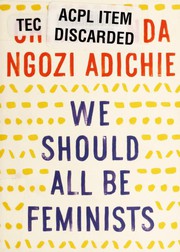
Start accessible. We Should All Be Feminists by Chimamanda Ngozi Adichie is a short, warm, personal definition of the project — readable in an hour and the best possible on-ramp. Follow with Feminism Is for Everybody by bell hooks, a plain-language primer that insists feminism is a movement to end sexism, not a war between genders.
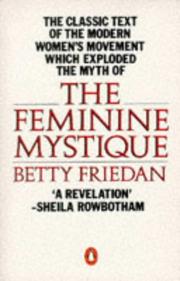
Then the foundations. A Vindication of the Rights of Woman by Mary Wollstonecraft is the 1792 origin point — an Enlightenment argument that women's apparent inferiority is manufactured by denied education. The Second Sex by Simone de Beauvoir is the philosophical foundation of the modern movement: one is not born, but rather becomes, a woman. Then the second wave ignites with The Feminine Mystique by Betty Friedan, naming the suburban "problem that has no name," and radicalizes with Sexual Politics by Kate Millett and The Female Eunuch by Germaine Greer — read these as documents of a specific moment, including their blind spots. Of Woman Born by Adrienne Rich turns the lens on motherhood as both experience and institution.
Now the critique from within. Ain't I a Woman by bell hooks confronts the racism inside the movement whose foundations you just read — this is where the path deliberately turns and re-examines itself. Sister Outsider by Audre Lorde is the essential essay collection on difference as strength, and This Bridge Called My Back, edited by Cherríe Moraga, gathers the radical women-of-color writing that reshaped the field.
Finish modern. Gender Trouble by Judith Butler is the dense, influential text behind contemporary debates about gender itself — hard going, and far more comprehensible with the full path behind you. Invisible Women by Caroline Criado Perez brings the receipts: data on how a world designed around male defaults fails women in medicine, safety, and design. The Witches Are Coming by Lindy West closes with the sharp, funny polemic register of the present.
The full staged sequence, with study plans, is at the full reading path.
How to actually study this
Read each book with two questions: what is this thinker responding to, and who later pushed back? Keep a running map of the disagreements — liberal versus radical, second wave versus Black feminist critique, essentialist versus constructionist. You do not have to adjudicate them all; the education is in understanding why serious people landed in different places. Where a book has aged badly in parts, note it — several of these authors would revise themselves today, and some did.
Start at the feminism hub, or browse related paths on history and philosophy to widen the frame.
FAQ
- What is the best first book on feminism?
- We Should All Be Feminists by Chimamanda Ngozi Adichie — short, personal, and jargon-free. Follow it with bell hooks' primer before tackling the classics.
- Should I read feminist books in chronological order?
- Roughly, yes, after a modern on-ramp. Later writers argue directly with earlier ones, so chronology lets you hear the debate rather than one side of it.
- Is Gender Trouble too hard for a general reader?
- It is genuinely difficult, but far more approachable at the end of a path like this, when you know the arguments it is responding to.
Get the books
- 1The Feminine MystiqueAmazon ↗Betty Friedan
- 2A Vindication of the rights of womanAmazon ↗Mary Wollstonecraft
- 3We Should All Be FeministsAmazon ↗Chimamanda Ngozi Adichie
- 4Sexual PoliticsAmazon ↗Kate Millett Kate Millett
- 5The female eunuchAmazon ↗Germaine Greer
- 6Of Woman BornAmazon ↗Adrienne Rich
As an Amazon Associate we earn from qualifying purchases. Some book links are affiliate links; you pay the same price and we may earn a small commission.
Follow the full reading path
Feminism: the essential reading path
Beginner14books86 hrs5 stages
Ready to learn something deeply?
Build a reading path — free