Martial arts sit at an unusual crossroads: they are a physical skill, a strategic discipline, and for many practitioners a philosophy of self-control. That is why a reading path is genuinely useful — and why it needs an honest caveat stated first. No book can teach you to fight or defend yourself; those skills come from a qualified coach, live partners, and thousands of repetitions under supervision. What books can do is deepen the mind you bring to the mat: the history, the strategy, the mindset, and a realistic understanding of violence. Read to think better; train to move better.
Best Martial Arts Books, in Reading Order
July 12, 2026 · 2 min read
Stage one: strategy and mindset
Begin with the classics that shaped how martial artists think. The Art of War by Sun Tzu is the ancient treatise on conflict and positioning whose ideas echo through every combat discipline, and The Book of Five Rings by Musashi Miyamoto is a legendary swordsman's meditation on strategy, timing, and the warrior's mind. Then read Zen in the Art of Archery by Eugen Herrigel, a short, famous account of how mastering a discipline becomes a mastery of self. These set the mental frame before you throw a single technique.
Stage two: the realities
Now get concrete and honest. Meditations on Violence by Rory Kane Miller is an unusually clear-eyed look at the difference between training and real violence — essential reading that punctures the fantasies many beginners carry, and reinforces that self-defense is context and awareness, not just technique. Pair it with The fighter's body by Loren W. Christensen, a practical guide to the conditioning, nutrition, and physical care that any serious training demands.
Stage three: the wider map
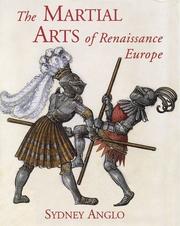
To understand how many worlds "martial arts" contains, read Martial arts of the world by Thomas A. Green, a broad survey of styles and traditions across cultures that helps you choose a path with open eyes. For a fascinating angle most people never see, The Martial Arts of Renaissance Europe by Sydney Anglo recovers Europe's own lost fighting systems — a reminder that these traditions are global and deep.
How to actually study it
Use these books to choose a discipline and a gym, then let training lead. Read a strategy classic slowly, one idea at a time, and test each idea against what you feel in sparring — the theory only means something once your body has a reference for it. Keep a training log noting what a coach corrected; that feedback loop is where skill actually grows. Above all, respect the safety realities: warm up, tap early, train with people who care about your long-term health, and never mistake having read about fighting for being able to fight.
Follow the path on the full reading path, explore the subject hub, or browse related training paths.
FAQ
- Can I learn martial arts from books?
- No — the physical skills require a qualified coach, live partners, and supervised practice. Books deepen the strategy, history, and mindset that support your training, but they cannot replace the gym.
- What is the best martial arts book to start with?
- For mindset, start with The Book of Five Rings or The Art of War; for a reality check, Meditations on Violence is the standout. Then choose a style and a real gym.
Get the books
- 1The Martial Arts of Renaissance EuropeAmazon ↗Sydney Anglo
- 2The Art of WarAmazon ↗孙武 (Sun Tzu)
- 3Zen in the Art of ArcheryAmazon ↗Eugen Herrigel
- 4The Book of Five RingsAmazon ↗Musashi Miyamoto
- 5Martial arts of the worldAmazon ↗Thomas A. Green
- 6The fighter's bodyAmazon ↗Loren W. Christensen
As an Amazon Associate we earn from qualifying purchases. Some book links are affiliate links; you pay the same price and we may earn a small commission.
Follow the full reading path
Martial arts: choosing a path & starting right
Beginner7books50 hrs4 stages
@wellsherpa♥ 0
Ready to learn something deeply?
Build a reading path — free