Boxing looks like two people trading punches; it is actually a fast, layered game of distance, timing, and deception that takes years to appreciate and a lifetime to master. Learning it builds real fitness, confidence, and composure under pressure. But be honest about what a book can and cannot do: boxing is a contact sport learned through drilling, sparring, and coaching. Reading sharpens your understanding and your eye, and it can save you from ingraining bad habits — but a page has never thrown a punch, and training without qualified coaching risks injury, especially to the head. Get proper instruction and protect yourself.
Learn Boxing: Best Books on the Sweet Science
July 12, 2026 · 3 min read
Why order matters here
Learn the mechanics and the culture of the sport before you chase famous fights. A little technique makes the classic writing far richer, and a little history makes the technique feel worth the work.
Mechanics first
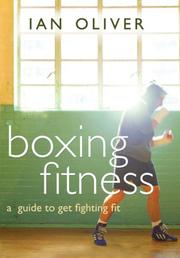
Start with fundamentals from a master. Championship fighting by Jack Dempsey breaks down punching mechanics — how power actually comes from falling body weight and the legs, not the arm — with a clarity few modern books match. Pair it with Boxing Fitness by Ian Oliver, which covers the conditioning, footwork, and drills that build the engine underneath the skill, so you know how to train, not just what a punch should look like.
The Art of Boxing by Jimmy Wilde belongs with these two but read afterwards, and read historically. Wilde was a flyweight world champion a century ago, fighting under different rules with different gloves, and the book reflects that era's stance and defensive habits. It is fascinating on where modern technique came from, and it is not a training manual to copy.
Then the feel of it
A Fighter's Heart by Sam Sheridan is a gripping first-person account of a writer immersing himself in fighting — it captures the fear, discipline, and physical reality of stepping in, and it is the best bridge from theory to what training actually demands of you.
Then learn to see the sweet science
The sweet science by A. J. Liebling is the classic collection of boxing writing, prose so good it teaches you to appreciate ring craft as an art. And King of the World by David Remnick tells the story of Muhammad Ali's rise, weaving technique, character, and the era together — history that deepens everything you now understand about the sport.
Two reference books, and what they are not
The Boxing Miscellany by John David Thomas White and The Ultimate Book of Boxing Lists by Bert Randolph Sugar are trivia and reference rather than instruction or narrative — records, rankings, oddities, arguments about the greatest of all time. Sugar in particular was one of the sport's great characters and the lists are enormously entertaining. Neither will teach you anything about throwing a jab or reading an opponent, so treat them as the books you dip into between rounds of the serious reading, not as stages of the path.
How to actually study this
Shadowbox what you read — take a mechanic from Championship fighting and drill it slowly in a mirror before speed. Watch fights with the books in mind and try to name what a fighter is doing and why. Keep your conditioning honest; boxing punishes anyone who skips it. Most of all, train under a coach: a good one corrects in seconds what a book cannot even see, and manages the sparring intensity that keeps you safe.
See the full reading path for the staged study plan, and the subject hub for links to other combat sports. Build the base with calisthenics.
FAQ
- Can you learn boxing from books?
- Books build your understanding of technique, training, and strategy, but boxing is a contact sport learned through coached drilling and sparring — a page can't teach the physical skill.
- What is the best boxing book for beginners?
- Championship fighting by Jack Dempsey for punching mechanics, paired with Boxing Fitness by Ian Oliver for the conditioning and drills behind the skill. Save the older instructional books and the trivia collections for later.
Get the books
- 1Boxing FitnessAmazon ↗Ian Oliver
- 2The Art of BoxingAmazon ↗Jimmy Wilde
- 3The Boxing MiscellanyAmazon ↗John David Thomas White
- 4Championship fightingAmazon ↗Jack Dempsey
- 5Boxing FitnessAmazon ↗Ian Oliver
- 6The Ultimate Book of Boxing ListsAmazon ↗Bert Randolph Sugar
As an Amazon Associate we earn from qualifying purchases. Some book links are affiliate links; you pay the same price and we may earn a small commission.
Follow the full reading path

Learn boxing: the sweet science, in order
Beginner9books49 hrs5 stages
@wellsherpa♥ 0
Ready to learn something deeply?
Build a reading path — free