Fencing looks like fast, flashing chaos, but insiders call it physical chess: a duel decided by distance, timing, and the ability to read an opponent a fraction of a second before they move. It is one of the oldest sports still contested at the Olympics, and one of the most tactical. Books cannot put a blade in your hand, but they can teach you the theory that makes practice make sense.
Because this is a small, technical field, the reading order runs from broad orientation to specific weapon to the tactical and mental layers that separate fencers who improve from those who plateau.
Orient yourself to the sport
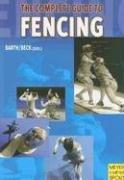
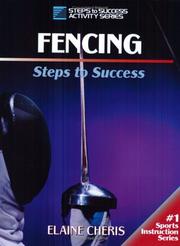
Start with a friendly overview. Fencing by Elaine Cheris is an accessible introduction to the sport's three weapons, rules, and basics — the right place to learn what you are even looking at. Then go broader and deeper with The Complete Guide to Fencing by Emil Beck, a thorough reference that covers technique across the weapons in more detail.
Specialize in a weapon
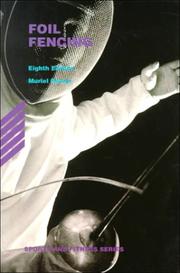
Most beginners start with foil, so build a foundation there. Foil Fencing by Muriel Bower is a clear, well-organized primer on the footwork, blade actions, and rules of the classic starting weapon — the kind of book you can work through drill by drill.
Add tactics and the mental game
Technique is only the entry fee; fencing is won in the mind. The Art and Science of Fencing by Nick Evangelista blends the sport's history, philosophy, and tactics, deepening your feel for why fencers do what they do. Then, because so much of a bout is nerve and focus, The Inner Game of Tennis by Timothy Gallwey — though about a different sport — is the classic on the psychology of performance under pressure, and it maps directly onto the mental duel of fencing.
How to actually learn this
Be clear-eyed: fencing is a contact sport with weapons, and no book can substitute for a qualified coach, proper protective gear, and a real club. These titles are best read as a companion to lessons, not a replacement for them — you cannot learn distance and timing without a live opponent, and you should never fence without a mask and jacket. Use the books to understand the theory behind a drill your coach gives you, review footage of your own bouts, and treat the mental-game reading as seriously as the technical.
Read it in order: follow the full reading path, visit the subject hub, or browse more sport paths.
Ready to learn something deeply?
Build a reading path — free