The mandolin's tuning makes it approachable — the same intervals as a violin, four pairs of strings — but the gap between strumming chords and playing real melodies is wide. Learners who grab random tabs stall out, because they never build technique or repertoire in a deliberate way.
A good order starts with a proper method, adds a chord and songbook foundation, then moves into scales, tunes, and the tradition that defines the instrument. Each book below fits one of those stages.
Start with a solid method
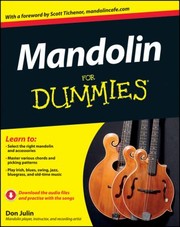
Begin with Mandolin For Dummies, a friendly and surprisingly thorough introduction to tuning, holding, picking, and your first tunes. Move to Hal Leonard Mandolin Method, the standard graded course that builds reading and technique step by step. Keep Mandolin Chord Finder beside you as a reference for the chord shapes you will need across every song. Together these give you a real foundation instead of a pile of disconnected tabs.
Build repertoire and technique
With the basics working, you need songs to play and scales to improvise with. Parking Lot Picker's Songbook – Mandolin Edition is a huge collection of standards arranged for mandolin, ideal for jamming and building repertoire. Teach Yourself to Play Mandolin offers a second beginner-to-intermediate track that reinforces technique from a different angle. And Mandolin Scale Finder maps the scales and positions you need to solo and understand the fretboard.
Enter the tradition
The mandolin lives in fiddle tunes and bluegrass, and learning those unlocks the instrument's real voice. The Fiddler's Fakebook (Fiddle) is a deep well of traditional tunes that transfer directly to mandolin and expand your ear and repertoire. Bill Monroe: Father of Bluegrass Music grounds you in the history and style of the player who defined bluegrass mandolin — context that makes the music make sense.
Work these in order and each book builds on the last instead of leaving gaps. Follow the full path to go from your first chords to confidently picking tunes in a jam.
Follow the full reading path →
Ready to learn something deeply?
Build a reading path — free