"Managing up" gets sold as a set of tricks for making your boss like you, which is why so much of the advice fails. The useful version is unglamorous: figure out what your manager is accountable for, what information they are missing, how they prefer to receive it, and where your own behaviour is creating friction you cannot see. That is diagnosis work, and it has to come before technique.
The sequence below moves from situation to self to conversation. Skipping to the communication books first is the common mistake — you end up with a well-delivered message about the wrong thing.
Start by diagnosing the situation
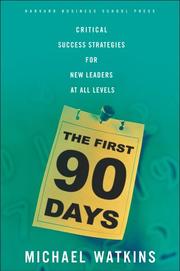
The First 90 Days is the right opening even if you are not new in a role. Its core contribution is the STARS framework — startup, turnaround, accelerated growth, realignment, sustaining success — which tells you what kind of situation your boss is actually in, and therefore what they need from you. The chapter on negotiating expectations with a new boss is the most directly useful passage on this entire path.
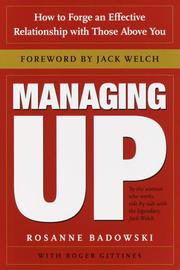
Follow it with Managing Up. Rosanne Badowski spent fourteen years as Jack Welch's executive assistant, and the book is a first-person account of anticipating a demanding principal's needs. It is anecdotal rather than systematic, and its context is unusual, but it is genuinely instructive on the mechanics of anticipation: knowing what will be asked before it is asked.
Work on your own blind spots
What Got You Here Won't Get You There catalogues the twenty interpersonal habits that stall competent people — adding too much value, starting sentences with "no, but", claiming credit, refusing to apologise. Marshall Goldsmith's argument is that at a certain level, skill is assumed and behaviour is the variable. Read it with an uncomfortable degree of honesty.
Then The Effective Executive. Drucker's book predates the whole genre and is more rigorous than most of it: it is about where your time actually goes, what contribution you are responsible for, and how to make decisions that stick. It reframes managing up as a question of contribution rather than positioning, which is a healthier place to operate from.
Learn the conversations you have been avoiding
Crucial Conversations gives you a repeatable structure for high-stakes discussions — making it safe, separating fact from story, stating your path. Pair it with Radical Candor, which is written for managers but is just as useful upward: Kim Scott's grid of caring personally and challenging directly explains why your carefully softened feedback landed as nothing at all.
Thanks for the Feedback is the underrated one on this list. It flips the perspective to receiving feedback well, and the distinction it draws between appreciation, coaching, and evaluation will resolve a lot of the confusion in your performance reviews. Close with Influence, Cialdini's account of the psychological levers behind persuasion — read it as a defence manual as much as a playbook, since recognising these patterns being used on you is the more valuable skill.
A plain caveat: none of this fixes a genuinely bad manager or a broken organisation, and no book should be read as a reason to stay in one. These titles help you operate well where the relationship is salvageable. Follow the full path to read them in order.
Follow the full ordered path here: How to Learn Managing Up From Books, in Order.