Macro photography is where the normal rules of photography get amplified. Depth of field shrinks to millimeters, lighting becomes everything, and tiny camera movements ruin shots. It rewards a solid foundation followed by close-up-specific knowledge, not a rush to buy a macro lens.
This path builds general photographic skill, then the specialized technique and lighting that macro demands, then the editing to finish the images.
Build general photo skills
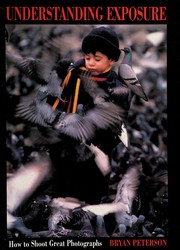
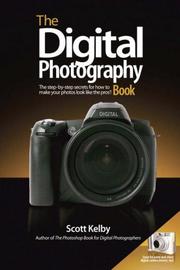
Start with fundamentals. Understanding exposure by Bryan Peterson teaches the exposure triangle you will lean on constantly, especially as macro forces you to trade aperture, shutter, and ISO. The digital photography book by Scott Kelby is a fast, practical primer full of the everyday how-to that gets you shooting well quickly.
Get into close-up technique
Now specialize. Macro Photography by Don Komarechka is a deep, technically rich guide from a master of the genre and the standout close-up book on this path. Lighting for Digital Photography by Syl Arena teaches light control, which matters enormously up close, and Close Up & Macro by Robert Thompson covers the practical technique and gear of shooting small subjects in the field.
Edit and refine
Macro images often need careful finishing. Practical Lightroom Classic by Martin Evening teaches the standard editing workflow, and Adobe Photoshop: A Complete Course and Compendium covers the deeper retouching and focus-stacking work that macro sometimes requires.
Then sharpen your eye and pick beautiful subjects. The Photographer's Eye by Michael Freeman remains the best book on composition, and The Art of Flower & Garden Photography by Clive Nichols is a lovely, specific guide to one of macro's most popular subjects.
Books teach technique; a tripod, patience, and a lot of test shots at the limits of focus do the rest. Follow the full path in order.
Follow the full reading path →
Ready to learn something deeply?
Build a reading path — free