Plein air painting stacks a hard skill on top of another hard skill. You are learning to paint landscapes and doing it outdoors, where the light shifts, the wind blows your paper, and you have maybe two hours before the scene changes completely. Beginners who start in the field without fundamentals often just make fast, confused messes.
This path gives you the fundamentals and the field logistics in order: how the practice works, how color and light behave, how to design a landscape, and then how to paint one confidently on location.
Set up for outdoor painting
Start with a practical orientation. Plein Air Painting in Watercolor and Oil by Frank Serrano introduces the whole practice — what to bring, how to work fast, and how to think outdoors. The Pochade Box Painter goes deep on the compact gear that makes location painting actually workable.
Master color and light
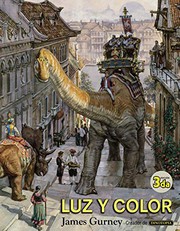
The core skill is reading light. Color and light by James Gurney is the essential book on how light behaves in the real world and how to translate it into paint — no plein air painter should skip it. Alla prima by Richard Schmid teaches the direct, one-session painting approach that outdoor work demands.
Design and paint the landscape
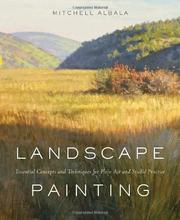
Now shape the scene. Landscape painting by Mitchell Albala is superb on composition and simplifying a complex view into a strong design — arguably the make-or-break skill outdoors. The Art of Painting in Oil by Patti Mollica gives you clear, modern oil technique.
Finally, learn from the masters of location work. Painting the Landscape with Kevin Macpherson and Carlson's guide to landscape painting are two of the most respected books on painting landscapes convincingly, from color temperature to the structure of trees and skies.
Books teach the principles; going outside and painting the same view many times is what builds speed and confidence. Follow the full path in order.
Follow the full reading path →
Ready to learn something deeply?
Build a reading path — free