Gouache is enjoying a huge revival — it is portable, forgiving, and vivid — but it is under-served by dedicated books. The smart move is to borrow fundamentals from adjacent media, especially watercolor and general painting, and then read the gouache-specific titles for what makes this paint different.
This path does exactly that: water-media basics and color theory first, then gouache technique, then broader painting craft to grow into.
Build the fundamentals
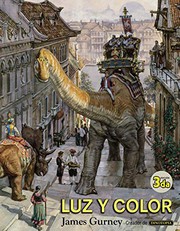
Start with the mechanics of water-based paint. Watercolor Painting: A Comprehensive Approach by Tom Hoffmann teaches how these paints behave, which transfers directly to gouache. Then study color itself: Color and light by James Gurney is one of the most useful painting books ever written, explaining how color and light actually work in a way every gouache painter needs.
Get gouache-specific
Now the paint itself. Gouache in the Wild by Chris Hong is a friendly, modern introduction aimed at sketching and travel painting — a perfect first gouache book. The Complete Guide to Gouache covers the medium more thoroughly, and Mixing Color by Jeremy Galton sharpens the practical skill of getting the color you actually want from your palette.
Grow your painting craft
To keep improving, widen into general painting. Alla Prima II is Richard Schmid's revered book on direct, confident painting that applies to any opaque medium. Imaginative Realism, also by Gurney, teaches how to paint scenes that never existed convincingly. And for design and figures, The art of animal drawing and Creative illustration by Andrew Loomis are timeless craft references.
Books give you the concepts; painting small studies often is what builds fluency. Follow the full path in order and each stage sets up the next.
Follow the full reading path →
Ready to learn something deeply?
Build a reading path — free