Start with The wild iris. It won the Pulitzer Prize in 1993, it is 131 pages, and it is the book that teaches you how to read Louise Glück — three sets of speakers arguing across a single growing season: flowers, each poem titled for its plant; a gardener whose poems are called Matins and Vespers after the canonical hours; and something like a god that answers in weather. Work out which of the three is speaking before you read a line further and the book opens immediately.
The alternative is to begin at the beginning with Firstborn, her 1968 debut. Do not. It is clenched, sour and audibly borrowed from other poets, and it is the one book in this path that is genuinely unpleasant to read straight through. Read chronologically, most people quit there. Read it in stage four, thirty years downstream, and it becomes interesting as evidence.
Know the hazard before you start. She is austere, formally severe and death-haunted; the flowers in The wild iris are not there to console you; and a reader who came for warmth will bounce off inside ten pages.
Start here
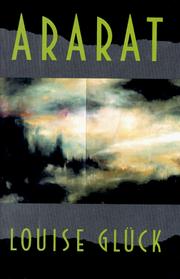
The wild iris first, read straight through in one sitting of about an hour without stopping to understand anything — you are only listening for who is talking — then again over five or six days at eight to ten poems a sitting, aloud. Ararat looks quicker and is colder underneath: a family book about a father's death. Two sittings, then leave a day and reread the whole thing.
A note on pacing that applies to everything below. A sixty-page collection by this poet takes longer than a three-hundred-page novel, because the unit of reading is the poem, not the page.
Marriage and myth
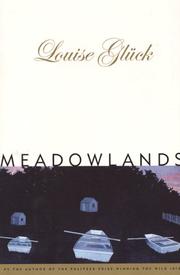
Meadowlands is the funniest book she wrote and the fastest first pass — but it is built as an argument between voices, so the second pass matters more. Read the Penelope poems, the Telemachus poems and the Circe poems as three separate threads. Vita Nova is thinner on the page and heavier going; its title borrows Dante's book about the life that follows a lost love, and here the new life follows a divorce, which makes the title a claim being tested rather than a fact reported.
The late masterpieces
Six to eight weeks, and do not compress it. Averno is the most demanding book on the path: only 88 pages, but the two long Persephone poems and the October sequence each want a whole sitting and a reread. A village life then reads almost like a different poet, in long loose lines. Faithful and virtuous night is largely prose poems carrying a continuous story told by an invented ageing male painter, so read it in two or three long sittings the way you would a novella. Winter Recipes from the Collective, her last book, is fifteen very spare poems: read it whole, aloud, in one sitting, then again a week later.
Back to the beginning
Now go back, in publication order: Firstborn, The house on marshland, Descending Figure, The triumph of Achilles. Four thin books, 209 pages in total. The house on marshland is 42 pages and is the most important reading in the entire path — read it twice in one week, the second time aloud. Descending Figure is the coldest thing she wrote and turns on hunger and a dead child, so pace it deliberately and stop when it stops landing.
Glück on poetry
Proofs & theories is criticism, not poems, and every cadence rule above is suspended: 134 pages at prose speed. Read the essay called Education of the Poet first, whatever its position in the contents. The essays on individual poets are heavier if you do not know their work, and skipping those on a first pass costs you nothing.
Glück won the Nobel Prize in Literature in 2020 and died in 2023, so this is the whole shape of the work. If you want four books rather than thirteen: The wild iris, Meadowlands, Averno and The house on marshland.
Follow the full ordered path here: Louise Gluck Reading Order: Where to Start.