Web development is the most tutorial-saturated field in tech, and it shows: legions of developers who can follow a video but freeze the moment they're off the rails. Books fix this differently. They're slower, and that slowness is the point — they make you understand why the code works, which is the only thing that transfers when the framework changes (and it always changes).
Learn web development from books (not just another video course)
July 6, 2026 · 1 min read
The path, stage by stage
Our web development path is short and sequenced.
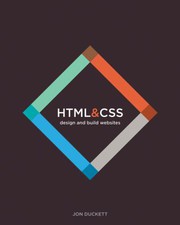
Foundations — HTML, CSS, and how the web works. Duckett's HTML & CSS — beautifully designed, and it teaches the structure and styling that everything else sits on. Don't skip this to "get to the JavaScript."
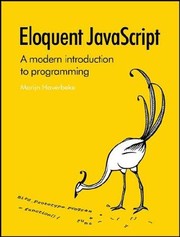
Making pages alive — JavaScript. Eloquent JavaScript (free online, and the best deep introduction to the language) and the You Don't Know JS-style deep dive. Learn the language properly before any framework.
Going deeper — modern front-end and back-end. Learning React and Node.js Design Patterns — now that you know JavaScript, frameworks become tools rather than magic.
Craft and professionalism. Clean Code and The Pragmatic Programmer — writing code that a team (and future you) can live with. This is what separates a coder from an engineer.
The habit: build, don't just read
The rule that makes this path work: every stage ships something. A static site, then an interactive page, then a full app, then a refactor of your own worst code. Web development is a portfolio field — nobody asks for your reading list, they ask what you've built.
Around 73 hours plus a lot of building. Follow the path or browse the web development hub. The craft stage is shared with becoming a real programmer, and security should be on your radar early — see learning cybersecurity.
FAQ
- Should I learn a framework like React first?
- No — learn JavaScript first. Frameworks built on shaky language fundamentals produce developers who panic when the abstraction leaks. Eloquent JavaScript before React, every time.
- Are books outdated for something that moves this fast?
- The fundamentals (how the web works, the language, code craft) barely change; only the frameworks churn. Books teach the durable 80%, so you learn the churning 20% far faster.
Get the books
- 1HTML & CSSAmazon ↗Jon Duckett
- 2Eloquent JavascriptAmazon ↗Marijn Haverbeke
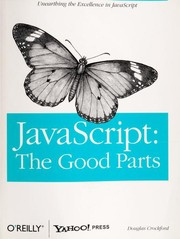
- 3JavaScriptAmazon ↗Douglas Crockford
- 4Learning ReactAmazon ↗Alex Banks
- 5Node. js Design PatternsAmazon ↗Mario Casciaro
- 6Clean CodeAmazon ↗Robert C. Martin
As an Amazon Associate we earn from qualifying purchases. Some book links are affiliate links; you pay the same price and we may earn a small commission.
Follow the full reading path
How to learn Web development
Beginner7books73 hrs4 stages
@codesherpa♥ 0
Ready to learn something deeply?
Build a reading path — free