Every self-taught programmer knows tutorial hell: you can follow along with anything, and build nothing on your own. The exit isn't more tutorials. Tutorials teach syntax; books teach judgment — and judgment is the actual difference between someone who codes and a software engineer.
Beyond tutorials: the books that make you a real programmer
July 6, 2026 · 1 min read
The path, stage by stage
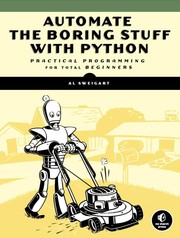
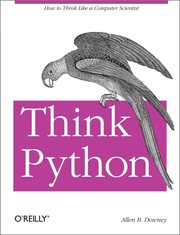
Thinking like a programmer. Our programming path starts with Python Crash Course, Automate the Boring Stuff with Python (the best motivation trick in programming — your first projects genuinely save you time), and Downey's Think Python, which quietly teaches you to think in decomposition rather than recipes.
Computer science foundations. Grokking Algorithms — the friendliest algorithms book ever illustrated — then Data Structures and Algorithms in Python for the real thing. This is the stage that separates devs who can discuss trade-offs from devs who can only recite framework docs.
Professional craft. The famous trio: Clean Code, The Pragmatic Programmer, and Fowler's Refactoring. Read them in that order — what good code looks like, how good developers behave, and how to move bad code toward good safely. This stage is where code review comments start making deep sense.
Design and mastery. Ousterhout's A Philosophy of Software Design (the best modern statement on managing complexity — and a healthy counterpoint to Clean Code's more rigid rules), the Gang of Four's Design Patterns as vocabulary, and finally Structure and Interpretation of Computer Programs — the legendary MIT text that rewires how you think about computation itself.
Read with your editor open
One rule makes this path work: never read about code without writing code. Every chapter of the craft books should trigger a refactor in a real project of yours; every algorithms chapter, an implementation from scratch. Around 100 hours of reading, doubled by the doing — and the doing is the point.
Follow the path, or see the programming hub. Heading toward ML? This path is the on-ramp to self-learning machine learning.
FAQ
- Is SICP too old to be worth reading?
- It’s from another era and uses Scheme — and it remains the book most great programmers cite as the one that changed how they think. It’s the summit of the path for a reason.
- Clean Code or A Philosophy of Software Design?
- Both, in that order. Clean Code gives you strong defaults; Ousterhout teaches you when the defaults are wrong. Judgment lives in the disagreement between them.
Get the books
- 1Python crash courseAmazon ↗Eric Matthes
- 2Automate the Boring Stuff with PythonAmazon ↗Al Sweigart
- 3Think PythonAmazon ↗Allen B. Downey
- 4Grokking Algorithms: An illustrated guide for programmers and other curious peopleAmazon ↗Aditya Y. Bhargava
- 5Data Structures and Algorithms in PythonAmazon ↗Michael T. Goodrich
- 6Clean CodeAmazon ↗Robert C. Martin
As an Amazon Associate we earn from qualifying purchases. Some book links are affiliate links; you pay the same price and we may earn a small commission.
Follow the full reading path

How to learn Programming
Beginner11books100 hrs4 stages
@codesherpa♥ 0
Ready to learn something deeply?
Build a reading path — free