Cybersecurity is a mindset before it's a toolset. The best defenders aren't the ones who memorized the most tools — they're the ones who instinctively think like an attacker, asking "how would I break this?" of everything they touch. A good reading path builds that mindset first, then layers on the systems knowledge and hands-on skill it needs to be useful.
Learn cybersecurity from books: mindset before tools
July 6, 2026 · 1 min read
The path, stage by stage
Our cybersecurity path starts in the head, not the terminal.
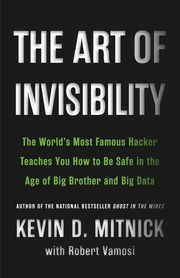
Foundations — mindset and mental models. Mitnick's The Art of Invisibility and The Art of Deception (the master social engineer on why humans are the weakest link), plus Cybersecurity for Beginners for the lay of the land. Security is about how systems fail, and these teach you to see it.
Technical core — networking and systems. CompTIA Security+ Study Guide and Network Security Essentials — the foundational vocabulary of how networks and defenses actually work.
Offensive and defensive skills — hands-on. Hacking: The Art of Exploitation, The Web Application Hacker's Handbook, and The Practice of Network Security Monitoring. This is the stage where you build a lab and get your hands dirty (legally, on your own machines).
Advanced mastery. Countdown to Zero Day (the Stuxnet story), The Cuckoo's Egg (the original cyber-espionage thriller, and still one of the best), and Shostack's Threat Modeling.
The habit: break your own things, legally
Cybersecurity is learned by doing, and doing means a home lab. Spin up vulnerable VMs, run capture-the-flag challenges, break things you own. The books point the way; the muscle grows in the lab. And an ethics note the field takes seriously: only ever test systems you have explicit permission to touch.
Around 115 hours of reading plus lab time. Follow the path or browse the cybersecurity hub. A programming foundation helps enormously — see becoming a real programmer.
FAQ
- Do I need to code to work in cybersecurity?
- Some roles less than others, but scripting (Python especially) multiplies what you can do, and reading code is essential for finding flaws. A programming foundation makes the whole path easier.
- Is it legal to practice hacking techniques?
- Only on systems you own or have written permission to test. The path emphasizes this — build a home lab or use sanctioned CTF platforms; never touch systems you don’t control.
Get the books
- 1The Art of InvisibilityAmazon ↗Kevin D. Mitnick
- 2Cybersecurity for BeginnersAmazon ↗Raef Meeuwisse
- 3The Art of DeceptionAmazon ↗Kevin D. Mitnick
- 4CompTIA Security+ Study GuideAmazon ↗Mike Chapple
- 5Network Security EssentialsAmazon ↗William Stallings
- 6HackingAmazon ↗Jon Erickson
As an Amazon Associate we earn from qualifying purchases. Some book links are affiliate links; you pay the same price and we may earn a small commission.
Follow the full reading path

How to learn Cybersecurity
Beginner11books116 hrs4 stages
@codesherpa♥ 0
Ready to learn something deeply?
Build a reading path — free