The voice you were born with is only the raw material. Professional voice actors train their instrument, learn to act with sound alone, and run what is essentially a small business booking their own work. Books can teach the technique and the trade, but this is a performance skill — you will only improve by recording yourself, listening back, and doing it again. Coaching and practice cannot be replaced by reading.
How to Get Into Voice Acting: The Best Books, in Order
July 12, 2026 · 2 min read
Why order matters here
There is a logical progression: first the voice itself, then acting through the microphone, then the technical and business side of getting paid. Skip to the business books before you can perform and you will be marketing a skill you do not yet have.
The path, stage by stage
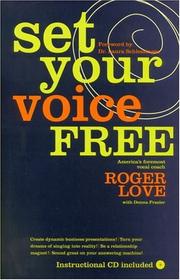
Start with the instrument. Set your voice free by Roger Love teaches breath, tone, and control — the physical foundation everything else rests on. Pair it with The Voice Book by Kate DeVore for a grounded understanding of vocal health, so you do not damage the thing you depend on.
Next, learn the craft of voice acting specifically. Voice Acting For Dummies by David Ciccarelli is a friendly, comprehensive overview of the whole field, and The Art of Voice Acting by James Alburger goes deeper into performance technique, script analysis, and character — it is a standard reference for a reason.
Then handle the technical reality. Much modern voice work is recorded at home, so Producing Great Sound for Film and Video by Jay Rose teaches you enough audio fundamentals to deliver clean, usable takes.
Finally, treat it as a business. There's money where your mouth is by Elaine Clark and Making money in voice-overs by Terri Apple cover demos, auditions, agents, and rates — how the work actually gets found and paid for.
How to actually study this
Read a chapter, then record. Warm up, perform real copy, and listen back critically — the gap between how you think you sound and how you actually sound is where all the learning happens. Practice varied material: commercials, narration, character work. Consider a coach or a class once you have the basics, because an outside ear catches habits you cannot hear yourself. Books map the territory; the booth is where you build the skill.
Keep going with the full reading path, the voice acting hub, or browse more paths.
FAQ
- Can you learn voice acting from books?
- Books teach technique and the business, but voice acting is a performance skill — you must record yourself, listen back, and ideally work with a coach to actually improve.
- What is the best book to start voice acting?
- Start with the instrument in *Set your voice free* by Roger Love, then learn the craft in *Voice Acting For Dummies* by David Ciccarelli.
Get the books
- 1Set your voice freeAmazon ↗Roger Love
- 2The Voice BookAmazon ↗Kate DeVore
- 3Voice Acting For DummiesAmazon ↗David Ciccarelli
- 4The Art of Voice ActingAmazon ↗James R. Alburger
- 5There's money where your mouth isAmazon ↗Elaine A. Clark
- 6Amazon ↗
As an Amazon Associate we earn from qualifying purchases. Some book links are affiliate links; you pay the same price and we may earn a small commission.
Follow the full reading path


Get into voice acting: the reading path
Beginner7books50 hrs4 stages
@craftsherpa♥ 0
Ready to learn something deeply?
Build a reading path — free