Nobody abandons fermentation because it's difficult — shredding cabbage and salting it is not difficult. People abandon it because of the jar on the counter doing mysterious things, and the quiet question: is this going to poison my family? So let's lead with the evidence: properly salted, submerged vegetable ferments are among the safest of all food preparations. The acid environment that makes kraut sour is actively hostile to the pathogens people fear. The rules are few and simple — right salt ratio, keep vegetables under the brine, trust your nose, and when in genuine doubt, throw it out.
Fermenting vegetables: sauerkraut, kimchi, and the books to do it right
July 9, 2026 · 2 min read
The path, stage by stage
Start with the book built for confidence. Fermented Vegetables by Kirsten K. Shockey is the practical workhorse — clear master ratios, troubleshooting for every weird thing your jar might do, and enough variety that you'll never run out of vegetables to try. This is the book that gets jar one on the counter this week.
Then meet the movement's founder. Wild Fermentation by Sandor Ellix Katz is the book that revived home fermentation in America — loose, encouraging, and full of the conviction that this is a craft humans have done safely for millennia. Follow it with Katz's The Art of Fermentation, the comprehensive deep dive: less recipes, more understanding, covering the microbiology and culture of fermentation across every tradition on earth.
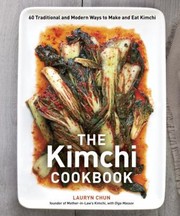
Now specialize. The Kimchi Cookbook by Lauryn Chun goes deep on Korea's fermented staple through the seasons, and Fiery Ferments by Kirsten K. Shockey applies the same craft to hot sauces and spicy condiments — the gateway from "I make kraut" to "people request jars."
Finish at the frontier. The Noma Guide to Fermentation by René Redzepi documents how the world's most famous restaurant kitchen approaches ferments with precision — percentages, temperatures, technique — and The Science of Cooking by Stuart Farrimond supplies the underlying food science that explains why every step in every earlier book works.
The habit: one jar every weekend, with a log
Start one small jar every weekend and keep a log: vegetable, salt percentage by weight, room temperature, and tasting notes every few days. The log is the whole game. Fermentation is variable enough that untracked batches teach you nothing — you can't tell whether the extraordinary batch came from the salt, the season, or the cabbage. Ten logged jars in, you'll have calibrated instincts most cooks never develop, and a fridge full of evidence.
Time and the path
Eight books is roughly 80 hours of reading, best consumed while a jar bubbles nearby. Follow the path, or start at the fermentation hub. When the pepper obsession hits — it will — the hot sauce hub is waiting.
FAQ
- How do I know if a ferment has gone bad?
- Trust your senses: rot smells unmistakably foul, not pleasantly sour, and fuzzy surface mold means discard. Cloudy brine and white sediment are normal. The path’s core books include full troubleshooting guides for everything in between.
- What salt percentage should I use for vegetables?
- Around 2% of the vegetable weight is the standard starting point for kraut-style ferments, with brined pickles running higher. Weigh with a kitchen scale rather than measuring by volume — salt crystal sizes vary wildly.
Get the books
- 1Fermented Vegetables, 10th Anniversary EditionAmazon ↗Kirsten K. Shockey
- 2The art of fermentationAmazon ↗Sandor Ellix Katz
- 3The Kimchi CookbookAmazon ↗Lauryn Chun
- 4Fiery FermentsAmazon ↗Kirsten K. Shockey
- 5Wild FermentationAmazon ↗Sandor Ellix Katz
- 6The Noma Guide to FermentationAmazon ↗René Redzepi
As an Amazon Associate we earn from qualifying purchases. Some book links are affiliate links; you pay the same price and we may earn a small commission.
Follow the full reading path


Ferment anything: sauerkraut, kimchi & beyond
Beginner8books38 hrs4 stages
Ready to learn something deeply?
Build a reading path — free