Let us be honest from the first sentence: you cannot learn to surf by reading. Surfing is balance, timing, and ocean-reading skills that live entirely in your body and only come from time in the water, ideally with a coach and a lot of falling. So why read at all? Because the ocean is a genuinely dangerous environment, and the surfers who progress fastest and stay safest are the ones who understand what they are paddling into. Books cannot replace practice — but they can keep you out of trouble and shorten the frustrating beginner plateau.
The right order is therefore: fall in love and understand the culture, learn technique and safety, then master reading the ocean itself.
Start with why the ocean pulls you
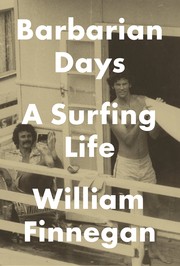
Begin with Barbarian Days by William Finnegan, a Pulitzer-winning surfing memoir that captures the obsession better than any how-to. It is not instruction; it is motivation and a deep sense of what a surfing life actually involves, including its risks and its discipline. Then get the wider context from The History of Surfing by Matt Warshaw, a rich, authoritative account of where the sport came from and how its equipment and culture evolved.
Learn technique and, above all, safety
Now the practical core. Kook’s Guide to Surfing by Jason Borte is a genuine beginner’s instruction manual — pop-ups, etiquette, gear, and the basics you will practice in the water. But the most important book on this list is Surf Survival by Andrew Nathanson, a medical and safety guide to real ocean hazards: rip currents, reef, marine life, and injury. Read it seriously. The ocean does not forgive ignorance, and knowing how a rip current works is not optional knowledge.
Learn to read the water
The skill that separates beginners from real surfers is reading waves, and here books genuinely help. Waves and Beaches by Willard Bascom is the classic accessible science of how waves form and break. Build on it with Surf Science by Tony Butt, which explains the meteorology and oceanography behind good surf — swells, wind, tides, and forecasting. Understanding why a wave breaks the way it does makes you predict and position instead of react.
How to actually learn it
Take lessons. A qualified instructor watching you for one session fixes mistakes that a book cannot even diagnose. Start in small, gentle whitewater with a big, stable board and stay well within your limits. Always learn the specific hazards of your break, never surf alone as a beginner, and know how to identify and escape a rip current before you paddle out. Use the reading to understand the ocean and the technique in advance, then let the water teach you the rest. Progress in surfing is measured in seasons, not weekends — patience is part of the skill.
Ready to prepare properly? Follow the full reading path, explore the subject hub, or browse related board and water paths.
Ready to learn something deeply?
Build a reading path — free