Snowboarding delivers one of the best feelings in sport — but the first two or three days are famously humbling, full of falls and frustration before it suddenly clicks. Understanding the fundamentals before you strap in shortens that miserable phase and, more importantly, helps you fall and progress safely. Be clear-eyed, though: this is a physical mountain sport learned by doing. Books and a lesson from a certified instructor together beat either alone; a book by itself cannot teach your body to balance on a moving edge. Wear a helmet, learn to fall, and respect terrain and avalanche risk in the backcountry.
Learn Snowboarding: Best Books for New Riders
July 12, 2026 · 2 min read
Why order matters here
Get oriented and safe first, then build technique, then refine. A rider who understands edges and falling before day one enjoys the mountain instead of fearing it.
The path, stage by stage
Start with an all-in-one primer. Snowboarding by Bill Gutman is an accessible introduction that covers gear, the basic mechanics of turning and stopping, and mountain etiquette — exactly what you want in your head before your first lift ride. It gives you the vocabulary and the mental model so a lesson lands faster.
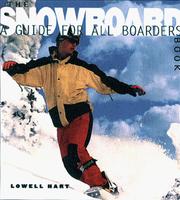
Then go deeper on riding itself. The Snowboard Book by Lowell Hart is a well-regarded guide that walks through technique and progression in more detail — edging, carving, and how to keep improving past the beginner plateau. Read it once you have a few days on the snow and its advice will actually mean something.
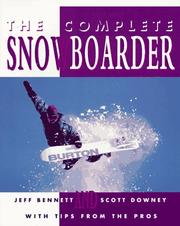
Round it out with The complete snowboarder by Bennett, Jeff, a broad reference covering equipment, technique, and the wider culture of the sport for when you want the fuller picture.
This is a short path by design. Snowboarding lives on the mountain far more than on the page — use these to frame your riding, not to replace it.
How to actually study this
Read the beginner primer before your first day, then take a lesson; the two reinforce each other powerfully. After each day riding, revisit the relevant technique pages while the sensations are fresh — you will understand advice that meant nothing in the abstract. Practice falling safely on purpose. And build slowly: terrain that matches your level is where progress and safety both live. Fitness and flexibility help too, so warm up.
Read the primer cover to cover and use the technique books as your riding advances. See the full reading path for how these fit a real progression, and the subject hub for links to surfing and skateboarding. Browse more board and mountain sports at /subjects.
FAQ
- Can you learn to snowboard from a book?
- A book gives you the fundamentals and safety knowledge, but snowboarding is a balance sport learned on the snow — pair reading with a certified instructor and real practice.
- What should a beginner snowboarder read first?
- Snowboarding by Bill Gutman is an accessible primer covering gear, basic turns, and etiquette — the right thing to have in your head before your first day.
Get the books
- 1The Snowboard BookAmazon ↗Lowell Hart
- 2SnowboardingAmazon ↗Bill Gutman
- 3The complete snowboarderAmazon ↗Bennett, Jeff
As an Amazon Associate we earn from qualifying purchases. Some book links are affiliate links; you pay the same price and we may earn a small commission.
Follow the full reading path

Learn snowboarding: from first day to confident rider
Beginner3books11 hrs2 stages
@wellsherpa♥ 0
Ready to learn something deeply?
Build a reading path — free