Most people who read about emergencies read in the wrong direction: they start with the collapse-of-civilization stuff and never learn what to do about the kitchen burn, the choking toddler, or the neighbor's chest pain. The emergencies you'll actually face are small, close, and survivable — if the person standing there knows what to do. The fix is to read from the common emergency outward to the rare one.
One thing up front: books teach judgment, but CPR and bleeding control need hands-on practice — take a certified course alongside this path.
The path, stage by stage
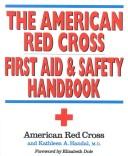
The path opens where the odds are: everyday first aid. The First Aid/CPR/AED Participant's Manual from the American National Red Cross is the same text used in certification courses — protocols for the situations that make up nearly all real emergencies. Kathleen A. Handal's The American Red Cross First Aid and Safety Handbook sits next to it as the household reference: organized for the moment you need it, not for cover-to-cover reading.
Stage two widens from the person to the household. Arthur T. Bradley's Handbook to Practical Disaster Preparedness for the Family is the rational middle ground the genre mostly lacks — water, power, communication, and evacuation planned like an engineer rather than a doomsayer. Jim Cobb's Prepper's Long-Term Survival Guide extends the horizon for longer disruptions, and it's most useful read skeptically: take the systems thinking, leave what doesn't fit your actual risk profile.
Stage three is austere medicine — what changes when help isn't coming soon. William W. Forgey's Wilderness Medicine covers assessment and care when the ambulance is hours away instead of minutes, and David Werner's Where There Is No Doctor, written for village health workers worldwide, is the classic on stretching limited medical resources with judgment and improvisation. Read these last; they only make sense on top of solid basics.
The habit: run the two-minute scenario
Once a week, pick one scenario — kid choking at dinner, power out for three days in January, someone collapsing at the gym — and narrate your response out loud, start to finish, including where the supplies are and who you'd call. When you hit a step you can't answer ("wait, where IS the shutoff valve?"), that's your homework for the week. Preparedness lives in rehearsal, not in gear — the person who has narrated a scenario twenty times moves calmly while everyone else is still processing, and calm is the scarcest resource in any emergency.
The full path runs six books — roughly 60 hours of reading, though the reference volumes are meant to be revisited, not finished. Follow the path, start at the first aid hub, or extend the austere-medicine stage at the wilderness survival hub.
Ready to learn something deeply?
Build a reading path — free