Human intuition about chance is reliably, almost comically wrong. We see patterns in noise, mistake luck for skill, and feel certain about things we should hedge. Learning probability is not really about formulas; it is about rewiring that faulty intuition so you can reason under uncertainty — which is to say, about most real decisions.
The trouble with self-teaching probability is that people jump straight to equations, bounce off, and conclude they are "not math people." A better order builds intuition and judgment first, then adds the machinery once you actually want it.
Rebuild your intuition
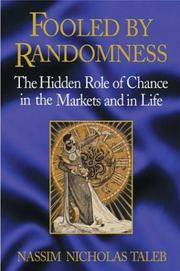
Start where the ideas are stories, not symbols. The Drunkard's Walk by Leonard Mlodinow is the ideal opener — a witty history of how randomness governs far more of life than we admit. Then Fooled by Randomness by Nassim Nicholas Taleb makes the case, sharply, that we systematically confuse luck with skill, especially in markets and careers.
To see how these errors play out in everyday thinking, The Art of Thinking Clearly by Rolf Dobelli catalogs the specific probabilistic traps your mind falls into, one crisp chapter at a time.
Add the working toolkit
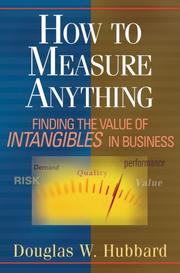
Now bring in just enough formal grounding. Naked Statistics by Charles Wheelan is the friendliest bridge from intuition to real quantitative reasoning — probability and statistics without the pain, and genuinely useful. How to Measure Anything by Douglas Hubbard reframes probability as a practical tool: how to put honest numbers on things that feel unmeasurable, and why calibrated estimates beat false precision.
Then confront the master text on why we get it wrong. Thinking, Fast and Slow by Daniel Kahneman is the definitive tour of the cognitive biases that wreck our probabilistic judgment — slow going but foundational.
Sharpen judgment and go deeper
For the payoff — actually getting better at estimating the future — Superforecasting by Philip Tetlock distills years of research into what separates good forecasters from confident blowhards. And for the intellectual history behind it all, The Theory That Would Not Die by Sharon Bertsch McGrayne tells the strange story of Bayes' theorem and how it quietly won.
How to actually learn this
Books can build your intuition and vocabulary, but probability is a skill of practice: make real predictions, write down your confidence, and score yourself later. A prediction journal will teach you more than a third book. Treat the claims here as evidence to weigh, not gospel — Taleb and Kahneman would both tell you to distrust any single framing, including theirs. If you want the formal machinery, a little calculus makes the deeper texts far easier.
Go in order: follow the full reading path, see the subject hub, or browse more thinking-tools paths.
Ready to learn something deeply?
Build a reading path — free