Most people quit meditation for a reason that is actually a misunderstanding: they sit down, notice their mind is a carnival, and conclude they are bad at it. But noticing the carnival is the practice — every time you catch the wandering and come back, that is the rep. Nobody told them, so they graded themselves against a fantasy of blankness and quit inside two weeks.
This path is ordered to fix that misunderstanding first, then deepen the practice at whatever pace you actually sit. The sequencing matters because the deep books are genuinely demanding, and reading them in month one is the second most common way people quit.
Get the misunderstanding out of the way
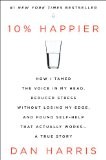
Start with Wherever You Go, There You Are by Jon Kabat-Zinn — short chapters, zero mysticism, and the clearest articulation of what mindfulness is for. If you need convincing more than instruction, 10% Happier by Dan Harris is the skeptic's on-ramp: a news anchor's genuinely funny account of being dragged from panic attack to daily practice, with his defenses narrated in real time.
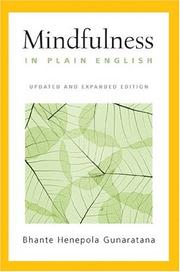
Then get real instruction. Mindfulness in Plain English by Bhante H. Gunaratana is arguably the best how-to-meditate manual ever written — precise, warm, and specific about exactly the problems that make people quit: wandering, boredom, drowsiness, and the judging voice keeping score. Real Happiness by Sharon Salzberg turns it into a 28-day program, which is the right structure for the fragile first month.
Where the technique came from, and whether it works
Two books explain the tradition without asking you to adopt it. Zen mind, beginner's mind by Shunryū Suzuki is the short, strange classic of Zen instruction — less a manual than a corrective, and it rewards rereading a year in far more than it rewards reading first. Why Buddhism Is True by Robert Wright makes the evolutionary-psychology case for why the tradition's claims about craving and the self line up with what we know about the mind. Wright's title overclaims deliberately, and the book is careful about which claims it is actually defending.
For the evidence, Altered traits by Daniel Goleman and Richard Davidson sorts the solid meditation research from the hype. Its honest conclusion — modest, real effects that deepen substantially with serious practice — is more motivating than the overclaims it debunks. Alongside it, Waking Up by Sam Harris argues for a secular contemplative practice and takes the harder question, the nature of the self, seriously; it is a philosophical book with practice instructions attached, and readers who came for stress relief may find it goes further than they wanted.
When you are ready to go deep
Full Catastrophe Living is Kabat-Zinn's full mindfulness-based stress reduction curriculum — the clinical program behind the popular book, with body scans, yoga sequences, and the eight-week structure hospitals actually use. It is long and it is a workbook, so treat it as a course rather than a read. The mind illuminated by Culadasa John Yates is the other end of the shelf: a ten-stage training manual mapping exactly what develops between sitting for ten minutes and genuinely stable attention. Both are excellent and both are big; pick the one matching your goal rather than reading both at once.
A plain note: meditation is not a treatment. It helps many people and it destabilizes a few, particularly around trauma, and any use of it as therapy belongs in a conversation with a clinician rather than with a bestseller.
The habit: anchor the sit to something you already do
Pick a daily action that already happens without willpower — the first coffee finishing, brushing your teeth — and bolt ten minutes of sitting directly onto it, same spot, same chair. Do not negotiate the duration on hard days; shrink it to two minutes instead and keep the chain intact. The habit research and the meditation manuals agree here: an anchor beats an alarm, and the streak you protect on the worst days is the one that survives.
Ten books is roughly 100 hours of reading — pleasantly ironic for a practice that takes ten minutes a day, but the reading is what keeps the ten minutes happening. Follow the full path, or start at the meditation hub. If the tradition behind the techniques interests you, buddhism is the natural next path; if the ethics-of-attention angle does, try stoicism.