A single square of paper, no cuts, no glue, and somehow a flapping crane or a horned beetle. Origami is one of the most satisfying crafts you can learn, partly because progress is so visible and partly because it rewards patience over talent. This is a hands-on skill above all: books can show the folds, but only your own fingers, repeated many times, will make them second nature.
Learn Origami From Books: First Folds to Complex Models
July 12, 2026 · 2 min read
Why order matters here
Origami builds strictly on itself. Every complex model is a recombination of a handful of base folds and bases, so jumping to an advanced diagram before your hands know the fundamentals is a recipe for frustration. The path below moves from foundations, to a growing repertoire, to design theory.
The path, stage by stage
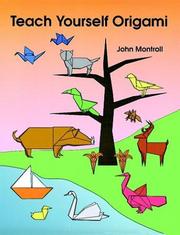
Start with a broad, well-diagrammed foundation. The Complete Book of Origami by Robert Lang teaches the core folds and symbols clearly and gives you a solid range of models to practice on. Alongside it, Teach Yourself Origami by John Montroll is a gentle, structured introduction that builds confidence fold by fold.
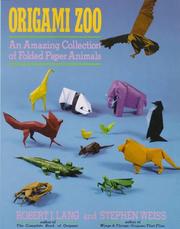
Once the basics feel natural, widen your repertoire with themed collections. Origami Zoo by Robert Lang and Animal Origami for the Enthusiast by John Montroll push you toward more character and complexity, while Origami Sea Life by John Montroll introduces trickier techniques through creatures you will actually want to make.
When you are ready for a real challenge, Origami Insects and Their Kin by Robert Lang is famously demanding — legs, antennae, and all — and will stretch everything you have learned.
Finally, cross from folder to designer. Origami Design Secrets by Robert Lang is the landmark book on the mathematics and method behind creating your own models. It is advanced, but it reveals the hidden logic underneath every diagram you have ever followed.
How to actually study this
Fold slowly and precisely — sloppy early creases compound into a messy final model. Use decent thin paper, keep your folds sharp, and repeat a model several times rather than moving on after one shaky attempt. When a diagram loses you, back up a step and re-fold; the notation becomes fluent surprisingly fast once you have made a dozen models. Watch a video for any step that a static diagram cannot convey. The books are your reference, but the skill lives entirely in your hands.
Continue with the full reading path, the origami hub, or browse more paths.
FAQ
- What is the best origami book for beginners?
- *Teach Yourself Origami* by John Montroll and *The Complete Book of Origami* by Robert Lang both teach the core folds clearly with plenty of practice models.
- How do I get from beginner to complex models?
- Master the base folds first, work through themed collections to build your repertoire, then study design theory in *Origami Design Secrets* by Robert Lang.
Get the books
- 1The Complete Book of OrigamiAmazon ↗Robert J. Lang
- 2Origami ZooAmazon ↗Robert J. Lang
- 3Teach Yourself OrigamiAmazon ↗John Montroll
- 4Animal Origami for the EnthusiastAmazon ↗John Montroll
- 5Origami Sea LifeAmazon ↗John Montroll
- 6Origami Insects and Their KinAmazon ↗Robert J. Lang
As an Amazon Associate we earn from qualifying purchases. Some book links are affiliate links; you pay the same price and we may earn a small commission.
Follow the full reading path

Learn origami: from first folds to complex models
Beginner8books48 hrs5 stages
@craftsherpa♥ 0
Ready to learn something deeply?
Build a reading path — free