People fail at soapmaking in two opposite ways: half are so scared of lye they never make a batch, and half grab an unvetted recipe off the internet and wing it. Both miss the same truth — soap is chemistry wearing a craft costume, and the chemistry is entirely manageable if you respect it. One safety line before anything else: lye demands goggles, gloves, and the rule you never break — always add lye to water, never water to lye — and every serious book on this path opens with exactly that.
Natural Soap & Lotion Making: The Best Books, in Order
July 9, 2026 · 2 min read
The path, stage by stage
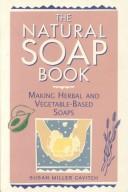
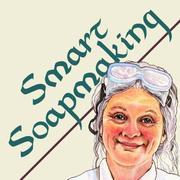
Start with Smart Soapmaking by Anne L. Watson, the best first-batch book in print: short, calm, and ruthless about stripping away myths so a beginner gets to a safe, successful cold-process batch fast. Then read The Natural Soap Book by Susan Miller Cavitch for the fuller foundation — oils and their properties, what lye actually does, and why a recipe behaves the way it does.
With a few batches behind you, move to Soap Crafting by Anne-Marie Faiola for technique: colorants, swirls, temperature control, and troubleshooting from the founder of Bramble Berry. Her follow-up Pure Soapmaking stays in the all-natural lane — botanical colors, milk soaps, natural fragrance — which is exactly where this path lives.
Then formulate like an adult. The Soapmaker's Companion by Susan Miller Cavitch is the reference book: saponification values, fatty-acid profiles, and the math for designing your own recipes rather than borrowing them. And when you want to know why — why soap traces, why a batch seizes, what superfatting actually does — Scientific Soapmaking by Kevin M. Dunn is a chemistry professor's answer, with experiments you can run in your kitchen. For the lotion half of the subject, Organic Body Care Recipes by Stephanie Tourles extends the craft to creams and balms — where preservation and hygiene matter even more than they do in soap.
The habit: the batch log
Number every batch and log it: recipe with exact weights, lye concentration, temperatures, what you observed at trace, and cure notes at two, four, and six weeks. And run every recipe — including published ones — through a lye calculator before you pour. The log turns failures into data instead of mysteries, and the calculator habit catches the typo that would otherwise become a caustic bar. Every good soapmaker you will ever meet keeps one.
How long it takes
Eight books is roughly 80 hours of reading, threaded between batches that each need a four-to-six-week cure — call it a season from first pour to first formula of your own. Follow the path, or start at the soap making hub. If you like the maker-chemistry overlap, the candle making hub is the obvious neighbor.
FAQ
- Is making soap with lye dangerous?
- Lye is caustic and demands respect, not fear: goggles, gloves, no kids or pets nearby, and always add lye to water — never the reverse. Handled with those basics, cold-process soapmaking is a routine kitchen craft, and there is no real soap without lye; it is fully consumed by the reaction.
- Why do my soap recipes need a lye calculator?
- Every oil needs a different amount of lye to saponify, so recipes are weight-based math, not volume-based cooking. Running each recipe through a calculator verifies the numbers and sets your superfat margin — the habit Kevin Dunn’s chemistry book turns from ritual into understanding.
Get the books
- 1The natural soap bookAmazon ↗Susan Miller Cavitch
- 2Smart soapmakingAmazon ↗Anne L. Watson
- 3Soap craftingAmazon ↗Anne-Marie Faiola
- 4Pure soapmakingAmazon ↗Anne-Marie Faiola
- 5The soapmaker's companionAmazon ↗Susan Miller Cavitch
- 6Scientific soapmakingAmazon ↗Kevin M. Dunn
As an Amazon Associate we earn from qualifying purchases. Some book links are affiliate links; you pay the same price and we may earn a small commission.
Follow the full reading path

Make natural soaps & lotions
Beginner8books48 hrs5 stages
@craftsherpa♥ 0
Ready to learn something deeply?
Build a reading path — free