Real magic has almost nothing to do with knowing secrets. The secret to most tricks is disappointingly simple; the magic is in the years of hand training, misdirection, timing, and performance that make the simple thing invisible. That is why magic is genuinely learnable from books — the classic texts are among the most rigorous instructional works in any craft — but only if you accept that reading a method and being able to fool a person are separated by a great deal of practice.
Learn magic: a reading path for sleight of hand
July 12, 2026 · 2 min read
Why order matters here
Beginners grab the most advanced card book, hit descriptions of moves they cannot yet do, and quit. Magic literature assumes you have mastered earlier techniques before it describes later ones. This path starts broad to build a foundation and give you tricks that work now, then commits to card sleight of hand in a properly graded sequence, then reaches the advanced classics and the theory of performance.
A staged reading path
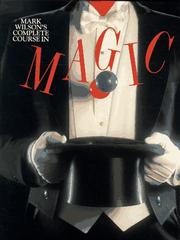
Start with breadth and early wins. Mark Wilson's Complete Course in Magic by Mark Wilson is the classic all-in-one beginner's course — cards, coins, ropes, mentalism — clearly illustrated, so you learn fundamentals while actually performing simple effects. Confidence from real tricks is what keeps beginners going.
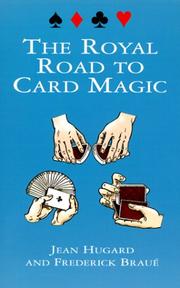
Then commit to cards, where sleight of hand goes deepest. The Royal Road to Card Magic by Jean Hugard is the time-tested beginner's course in card technique, introducing sleights in a sensible order with tricks that use each one. Do not skip ahead; the ordering is the point.
Next, get serious with the modern standard. Card College, Vol. 1 by Roberto Giobbi is widely considered the finest structured course in card magic ever written, with meticulous instruction on grip, handling, and the foundational moves. Card College, Vol. 2 by Roberto Giobbi continues the progression into more advanced technique. Working through these two carefully will make you a genuinely capable card handler.
Then reach the summit and the mind of the art. The Expert at the Card Table by S. W. Erdnase is the legendary, century-old bible of card manipulation — dense, demanding, and still the deepest technical reference there is; approach it only after Card College has prepared your hands. Finally, Absolute Magic by Derren Brown shifts the focus from method to performance and psychology — how to make magic feel powerful rather than puzzling. It is the theory that turns technique into an experience.
How to actually learn this
Reading a sleight is the very beginning, not the end — this craft cannot be learned from the page alone. Work with a mirror or a phone camera and drill a single move until it looks natural, which can take weeks per sleight. Master one trick completely before starting the next, and perform for real people as early as you can; audiences teach you misdirection and nerve that no book can. Progress is slow and physical, and that is exactly why a well-practiced magician is impressive.
Put in the reps. Follow the full reading path, visit the magic subject hub, or explore more skill and performance paths.
FAQ
- Can you really learn magic from books?
- Yes, the classic texts are excellent, but reading a method is only the start. The skill is in weeks of practice per sleight, plus performing for real audiences.
- What is the best book to start learning card magic?
- The Royal Road to Card Magic for a graded beginner course, then Card College, Vol. 1 for the modern gold-standard curriculum. Do not jump to Erdnase until your hands are ready.
Get the books
- 1Mark Wilson's complete course in magicAmazon ↗Wilson, Mark
- 2The royal road to card magicAmazon ↗Jean Hugard
- 3Card College, Vol. 1Amazon ↗Roberto Giobbi
- 4Card College, Vol. 2Amazon ↗Roberto Giobbi
- 5The Expert at the Card TableAmazon ↗S. W. Erdnase
- 6Absolute magicAmazon ↗Derren Brown
As an Amazon Associate we earn from qualifying purchases. Some book links are affiliate links; you pay the same price and we may earn a small commission.
Follow the full reading path

Learn magic: sleight of hand and showmanship
Beginner6books31 hrs4 stages
@craftsherpa♥ 0
Ready to learn something deeply?
Build a reading path — free