Few wellness trends mix solid physiology and reckless overclaiming as thoroughly as breathwork and cold exposure. Slower nasal breathing measurably shifts your nervous system; cold water reliably spikes noradrenaline and mood. Those are real. So are the claims that these practices cure autoimmune disease, replace medication, and unlock superhuman powers, and those are not established. Learning this subject well means building the filter before you meet the gurus.
Safety first, because it is non-negotiable: never practice breath-holding or hyperventilation-style breathwork in or near water, ever; shallow-water blackout kills strong swimmers. Never do intense breathwork while driving. And if you have a heart condition, blood pressure issues, or are pregnant, talk to your doctor before cold plunges or intense breathing protocols. Every good book in this path repeats some version of this; take it seriously. Nothing here substitutes for medical advice.
Stage 1: the science of breathing
Start with Breath by James Nestor, the book that launched the modern interest. Nestor is a journalist, not a scientist, and a few claims outrun the evidence, but as a guided tour of why nasal, slower, lighter breathing matters, it is compelling and mostly careful. Then read The oxygen advantage by Patrick McKeown, the practical training manual: concrete breathing assessments and progressive exercises, particularly for athletes. It gives you actual practice rather than inspiration.
For ground truth on what stress physiology can and cannot explain, read Why Zebras Don't Get Ulcers by Robert Sapolsky. It is the classic on the stress response, funny and rigorous, and it quietly inoculates you against the next overclaim you hear, because you will understand the mechanisms being invoked.
Stage 2: the cold, and the debate
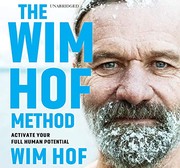
Now the contested part. What doesn't kill us by Scott Carney is the right entry: a journalist who went to debunk Wim Hof and came back partially convinced, while keeping his skepticism working. It is a model of how to engage with a charismatic claim. Then read The Wim Hof Method by Wim Hof himself, understanding what it is: one side of a live scientific debate, from its most enthusiastic advocate. Some of Hof's claims have peer-reviewed support (notably an immune-response study); many others do not. Read it after Carney and Sapolsky and you can tell which is which.
Stage 3: the physiology underneath the practices
Two books widen the frame from breathing to the body doing the breathing, and both belong here rather than at the start. Exercised by Daniel Lieberman is an evolutionary look at physical activity that dismantles a long list of fitness folk beliefs; its relevance is method, not subject matter — it shows you what a careful claim about human physiology looks like, which is the exact skill this field demands. Spark by John Ratey covers exercise and the brain, and it is the honest counterweight to the idea that a breathing protocol is the shortcut around movement. Neither is a breathwork book, and neither pretends to be; read them for the physiological literacy.
For the mechanics themselves, Anatomy of Breathing by Blandine Calais-Germain is a useful illustrated reference on what the diaphragm, ribs and abdominal wall actually do. It is the least exciting book in the path and the one that makes the instructions in the others make sense.
Stage 4: keep it honest
Finish with Good to Go by Christie Aschwanden, a science journalist's audit of recovery culture, ice baths included. Her core finding, that much of the recovery industry rests on weak evidence and strong placebo, is the perfect closing note for this subject. It does not say cold exposure is useless; it says the effect sizes are smaller and fuzzier than the marketing.
One honest note about the listing: The diving bell and the butterfly by Jean-Dominique Bauby appears among this path's books, and it is a masterpiece — a memoir dictated one blink at a time by a man with locked-in syndrome. It is not a book about breathwork or cold exposure, and it turned up here through a catalogue match rather than a curatorial decision. Read it, but not for this.
How to actually study this
Practice alongside the reading, gently. Five minutes of slow nasal breathing daily costs nothing and has the best evidence-to-risk ratio in the entire field. End showers cold for thirty seconds before considering plunges. Keep a simple log of sleep, mood, and stress, because these practices are exactly where placebo thrives, and your log is more honest than your enthusiasm. Scale up slowly, never combine breath holds with water, and clear anything intense with your doctor.
The full reading path stages all ten books with study plans. Related paths live at the breathwork hub, or browse Discover.