Most people reach for leadership books at the moment they're handed a team, and grab the tactical ones — how to run a one-on-one, how to give feedback. But the leaders those books describe all share something the tactics can't provide: self-awareness. The reading order that actually works starts with managing yourself, then people, then teams, then the organization.
Learn leadership from books: self-awareness before authority
July 6, 2026 · 1 min read
The path, stage by stage
Our leadership path builds from the inside out.
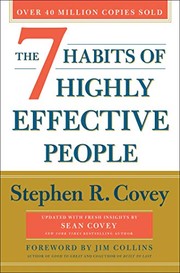
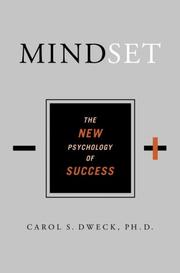
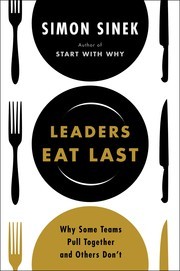
Foundations — mindset and self-awareness. Covey's The 7 Habits of Highly Effective People, Dweck's Mindset, and Sinek's Leaders Eat Last. You can't lead others past where you've led yourself.
Core management skills — people and performance. First, Break All the Rules (what great managers actually do differently), The One Minute Manager, and Scott's Radical Candor — care personally, challenge directly.
Intermediate — team dynamics. Lencioni's The Five Dysfunctions of a Team and Multipliers (leaders who make everyone around them smarter).
Advanced — strategy and change. Collins's Good to Great, The Leadership Challenge, and An Everyone Culture.
The habit: keep a decision journal
The fastest way to grow as a leader is to close the feedback loop on your own judgment. Keep a decision journal: for each significant call, write what you decided, why, and what you expect to happen. Review it quarterly. Nothing else builds self-awareness — the foundation of the whole path — as reliably.
Around 71 hours. Follow the path or browse the leadership hub. Leaders negotiate constantly — pair it with negotiation — and it overlaps with product management.
FAQ
- Can you learn leadership from books at all?
- Books can’t give you reps, but they can dramatically shorten the lesson cycle — naming patterns you’d otherwise take years to notice. Paired with a decision journal and real responsibility, they compound fast.
- Where should a brand-new manager start?
- Radical Candor and First, Break All the Rules for the immediate people skills, but read them right after the self-awareness stage — the tactics land better when you know your own defaults.
Get the books
- 1The 7 Habits of Highly Effective PeopleAmazon ↗Stephen R. Covey
- 2MindsetAmazon ↗Carol S. Dweck
- 3Leaders Eat LastAmazon ↗Simon Sinek
- 4First, break all the rulesAmazon ↗Marcus Buckingham
- 5The one minute managerAmazon ↗Kenneth Blanchard
- 6Radical CandorAmazon ↗Kim Malone Scott
As an Amazon Associate we earn from qualifying purchases. Some book links are affiliate links; you pay the same price and we may earn a small commission.
Follow the full reading path
How to learn Leadership & management
Beginner11books71 hrs4 stages
@worksherpa♥ 0
Ready to learn something deeply?
Build a reading path — free