The supermarket basil plant dies on everyone's windowsill, and everyone draws the wrong conclusion. It wasn't your thumb; it was physics. Most kitchen windows deliver a fraction of the light a Mediterranean herb wants, and the plant was grown soft in a greenhouse besides. Indoor herbs are absolutely doable year-round — but as a small engineering problem (light, containers, harvest rhythm) rather than a vibe. The books below treat it that way.
Grow herbs indoors all year: the reading path to a working kitchen garden
July 9, 2026 · 2 min read
The path, stage by stage
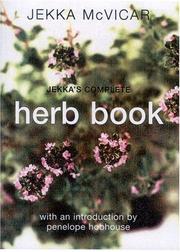
Start with the herb bible. Jekka's Complete Herb Book by Jekka McVicar — from Britain's best-known herb grower — is the definitive variety-by-variety reference: what each herb wants, how it propagates, and which cultivars are worth growing. Pair it with The Complete Book of Herbs by Lesley Bremness for the classic illustrated overview of growing and using them.
Then solve the indoor part specifically. The Unexpected Houseplant by Tovah Martin is the bridge book — a lifelong gardener treating indoor growing as real gardening, with the light and container honesty most herb books dodge. For anyone with a balcony, fire escape, or generous windowsill, The Edible Balcony by Alex Mitchell covers productive growing in small spaces, which is what a kitchen garden indoors actually is.
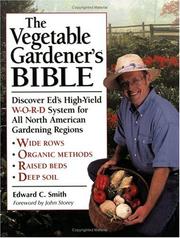
For horticultural fundamentals under it all, Rodale's Basic Organic Gardening by Deborah L. Martin covers soil, feeding, and pests without chemicals you wouldn't want next to food, and The Vegetable Gardener's Bible by Edward C. Smith supplies the general food-growing craft that herbs inherit. You won't read these two cover to cover; they're the shelf you consult when a plant sulks and the herb books assume knowledge you don't have yet.
Then close the loop in the kitchen: The Herbal Kitchen by Jerry Traunfeld — a chef's book organized by herb — gives you recipes demanding enough to keep the harvest moving. (If your interest runs to medicinal herbs, treat that literature as tradition to explore with an evidence-minded eye, not a pharmacy.)
The habit: harvest-prune twice a week
Herbs are the rare plant that thrives on being eaten. Twice a week, pinch every plant back to just above a leaf pair — basil especially — whether or not dinner needs it. Pinching forces branching, prevents flowering (which turns leaves bitter), and keeps plants compact under limited light. The habit that feels like taking is actually the maintenance. Anything you can't use fresh, dry or freeze in oil the same day — the surplus habit is what makes an indoor garden feel like a pantry instead of a hobby.
Roughly 90 hours of reading, though the pesto starts long before you finish. Follow the path, start at the herb gardening hub, and if the growing bug bites hard, the vegetable gardening hub is the next step up.
FAQ
- Do I need a grow light for indoor herbs?
- For Mediterranean herbs like basil, rosemary, and thyme — probably yes, unless you have a genuinely sunny south-facing window. A small full-spectrum LED on a timer is cheap and transforms results; shade-tolerant herbs like mint and parsley are more forgiving.
- Why does my supermarket basil always die?
- It’s actually a dozen seedlings crammed in one pot, grown soft in a greenhouse. Split the clump into separate pots, give them real light, and pinch regularly — or just start your own from seed, which grows tougher plants.
Get the books
- 1The vegetable gardener's bibleAmazon ↗Edward C. Smith
- 2Rodale's basic organic gardeningAmazon ↗Deborah L. Martin
- 3Jekka's Complete Herb BookAmazon ↗Jekka McVicar
- 4The Herbal KitchenAmazon ↗Jerry Traunfeld
- 5The unexpected houseplantAmazon ↗Tovah Martin
- 6Epic tomatoesAmazon ↗Craig LeHoullier
As an Amazon Associate we earn from qualifying purchases. Some book links are affiliate links; you pay the same price and we may earn a small commission.
Follow the full reading path

Grow herbs indoors, all year
Beginner9books48 hrs4 stages
Ready to learn something deeply?
Build a reading path — free