Gear is the great red herring of photography. The phone in your pocket embarrasses professional cameras from fifteen years ago, yet most photos still look like snapshots — because the difference was never the sensor. It's three learnable skills: controlling exposure, seeing light, and composing a frame. Photographers who upgrade cameras hoping for better photos are buying a nicer pen to fix their handwriting.
Everyday photography: take photos that look professional on any camera
July 9, 2026 · 2 min read
The path, stage by stage
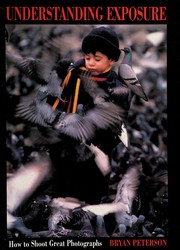
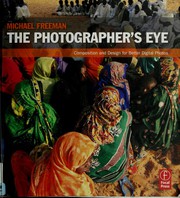
The path opens with the classic that demystifies the technical core: Bryan F. Peterson's Understanding Exposure, which turns aperture, shutter speed, and ISO from menu anxiety into creative choices — the moment photography starts being decisions instead of luck. Michael Freeman's The Photographer's Eye then handles composition: frames, lines, balance, and why some arrangements simply work. These two books alone lift most people's photos more than any purchase ever will.
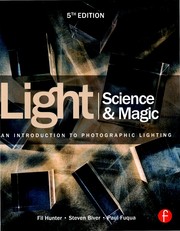
Then light itself, the actual subject of every photograph. Light — Science and Magic by Fil Hunter is the standard text on how light behaves — the physics of reflection and diffusion that makes lighting predictable rather than mystical — and Joe McNally's Sketching Light shows a master improvising with small flashes in the real world. With craft established, the path turns to the eye: John Berger's Ways of Seeing and Susan Sontag's On Photography are the classic texts on what images mean and do — the thinking layer that separates photographers from camera operators — while Bruce Barnbaum's The Art of Photography connects craft and expression in one sweep. The digital darkroom closes it out: Martin Evening's Adobe Photoshop Lightroom Classic CC Book for workflow and Jeff Schewe's The Digital Negative for getting everything a raw file holds.
The technique-then-thinking order matters. Berger and Sontag read very differently once you can already control a frame — they sharpen a working eye rather than intimidating a beginner one — which is why the path holds them until the middle instead of leading with theory.
The habit: one subject, thirty frames, three keepers
Once a week, give one ordinary subject — a chair, a doorway, a person at a window — a full thirty-frame study: vary the angle, the distance, the light direction, the exposure. Then do the harder half of the exercise: pick only three keepers and write one line about why each works. Volume plus ruthless selection is how the eye develops; it's the exact practice the masters describe, scaled down to a lunch break, and it works on any camera you own.
Plan on roughly 90 hours of reading, camera within reach throughout. Follow the path or start at the photography hub. The composition instincts you build feed directly into design, where the same eye works on purpose.
FAQ
- Do I need a real camera or is my phone enough?
- Start with the phone — exposure, light, and composition are learnable on any camera, and the books teach principles, not menus. A dedicated camera earns its place once you feel the phone’s limits, not before.
- What single thing will improve my photos fastest?
- Learning to see light before you shoot: its direction, hardness, and color. Peterson and Hunter teach this systematically, and it changes your photos immediately — often more than any compositional rule or editing technique.
Get the books
- 1Understanding exposureAmazon ↗Bryan F. Peterson
- 2The Photographer's EyeAmazon ↗Michael Freeman
- 3Light-- science and magicAmazon ↗Fil Hunter
- 4Sketching lightAmazon ↗McNally, Joe
- 5Ways of SeeingAmazon ↗John Berger
- 6The art of photographyAmazon ↗Bruce Barnbaum
As an Amazon Associate we earn from qualifying purchases. Some book links are affiliate links; you pay the same price and we may earn a small commission.
Follow the full reading path
Take photos that look professional
Beginner9books69 hrs4 stages
@craftsherpa♥ 0
Ready to learn something deeply?
Build a reading path — free