Astrophotography may kill more budgets per participant than any hobby its size. The classic arc: buy a telescope, get frustrated, buy a mount, get frustrated, sell everything. The problem is almost never the gear. Astrophotography sits on top of two prior skills — knowing the sky and controlling an exposure — and beginners who skip them are debugging four problems at once in the dark, in the cold, at 2 a.m.
Astrophotography books to read before you buy the telescope
July 9, 2026 · 2 min read
The path, stage by stage
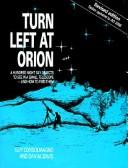
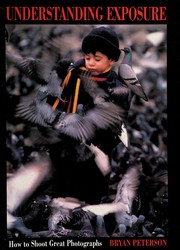
So the path starts with the sky itself. Turn left at Orion by Guy Consolmagno is the beloved guide to actually finding things up there with modest equipment — and target-finding is half of every imaging night, because you cannot photograph what you cannot locate. In parallel, Understanding exposure by Bryan F. Peterson builds the aperture–shutter–ISO instincts that every astro decision is a variation on; astrophotography is ordinary photography pushed to its extreme, and the extreme is unforgiving of weak fundamentals. These two books cost less than a single eyepiece and prevent most of the classic first-year mistakes.
Then the craft proper. Astrophotography Manual by Chris Woodhouse is the systematic core of the path — equipment, acquisition, and workflow, treated as the engineering discipline it secretly is. Alongside it, Astrophotography by Thierry Legault — one of the most respected practitioners alive — covers technique across the whole range from lunar to deep sky with unusual rigor.
Deep-sky work is its own beast, and The Deep-sky Imaging Primer by Charles Bracken is the standard on-ramp: signal, noise, and why stacking hours of exposures works. If you're not ready for an observatory-grade setup, Astrophotography on the Go by Joseph Ashley makes a real case for lightweight, portable rigs — a better first year than most people's garage full of gear. Finally, Inside PixInsight by Warren A. Keller tackles the half of the hobby nobody warns you about: processing, where raw stacked data becomes an actual image.
The habit: one target per month
Pick a single object — a nebula, a cluster, the Moon — and image only that for a month, reprocessing the accumulated data each week. Beginners who hop targets never learn what changed between a bad night and a good one. One target holds the subject constant, so every improvement you see is you: better polar alignment, better focus, more integration time, better processing. Keep a session log alongside it — conditions, settings, what went wrong — because in a hobby where clear nights come weeks apart, the log is the only memory that survives between them.
Plan on about 70 hours of reading between clear nights. Follow the path or start at the astrophotography hub. The exposure fundamentals live at the photography hub if you want to go deeper there first.
FAQ
- What equipment do I need to start astrophotography?
- Less than you think: a camera you already own, a tripod, and dark skies can produce real results while you learn. The path deliberately front-loads sky knowledge and exposure skill, because those decide your results more than the next purchase.
- Why do my astrophotos look noisy and washed out?
- Usually not enough total exposure time and unprocessed data. Deep-sky imaging works by stacking many exposures and then stretching the result — the acquisition side is covered by Bracken’s primer and the processing side by Inside PixInsight.
Get the books
- 1Turn left at OrionAmazon ↗Guy Consolmagno
- 2Understanding exposureAmazon ↗Bryan F. Peterson
- 3Astrophotography ManualAmazon ↗Chris Woodhouse
- 4AstrophotographyAmazon ↗Thierry Legault
- 5The Deep-sky Imaging Primer, Second EditionAmazon ↗Charles Bracken
- 6Making Every Photon CountAmazon ↗Steve Richards
As an Amazon Associate we earn from qualifying purchases. Some book links are affiliate links; you pay the same price and we may earn a small commission.
Follow the full reading path

Photograph the night sky
Beginner8books45 hrs5 stages
@craftsherpa♥ 0
Ready to learn something deeply?
Build a reading path — free