Home cheesemaking has a predictable failure curve: the first mozzarella works, the second is rubber, and the aspiring cheesemaker concludes they lack the touch. What they actually lack is the logic. Cheese is milk transformed by acid, enzymes, temperature, and time — four variables recipes mention but never explain — and supermarket milk itself varies batch to batch. Learn the underlying process and a weird batch becomes a diagnosis; follow recipes blind and it's just a mystery that cost you a gallon of milk.
Home cheesemaking books: from one-hour mozzarella to aged wheels
July 9, 2026 · 2 min read
The path, stage by stage
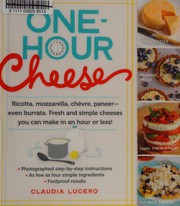
Start with wins. Claudia Lucero's One-Hour Cheese delivers exactly what it promises — ricotta, paneer, queso blanco, mozzarella — fresh cheeses that succeed on the first try and teach the fundamental move of the craft: coaxing milk to separate into curds and whey. Momentum matters, and this book manufactures it.
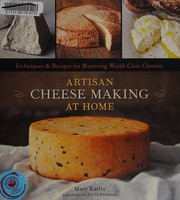
Then build the real foundation. Mary Karlin's Artisan Cheese Making at Home is the core progressive text — cultures, rennet, pressing, and aging, sequenced from simple to ambitious. Sasha Davies's The Cheesemaker's Apprentice wraps around it beautifully: structured like interviews with professional cheesemakers, it answers the why behind every step Karlin teaches. For the serious stage, Gianaclis Caldwell's Mastering Artisan Cheesemaking is the book hobbyists graduate to — milk chemistry, culture behavior, and troubleshooting deep enough to design your own recipes rather than follow anyone's.
Two books then widen the frame. David Asher's The Art of Natural Cheesemaking is the tradition-minded counterpoint — kefir cultures instead of freeze-dried packets, an argument for cheese as a living ferment; read it against Caldwell and you'll understand the craft's central debate. And Paul Kindstedt's Cheese and Culture delivers the unexpected pleasure of the path: ten thousand years of civilization told through cheese, from Neolithic pots to medieval monasteries.
The habit: the make sheet
Every single batch, record a simple one-page make sheet: milk brand and date, culture, temperatures, timings, curd behavior at each step, and — weeks later — how it tasted. Professionals never skip this, because cheese has a feedback delay: today's mistake surfaces at next month's tasting, and without notes you can't connect the two. Ten batches with make sheets will teach you more than fifty without, and your rubber-mozzarella mysteries become one-line diagnoses — usually a temperature drifting two degrees, or a milk brand that quietly changed its pasteurization. The sheet is also how you reproduce triumphs, which matters more: anyone can make a great cheese once.
The full path runs seven books — roughly 70 hours of reading, best consumed with a pot of curds warming on the stove. Follow the path, start at the cheesemaking hub, or zoom out to the microbial big picture at the fermentation hub.
FAQ
- Can I make real cheese from supermarket milk?
- Yes, with two caveats: it must not be ultra-pasteurized (UHT milk won’t form proper curds), and results vary by brand. Karlin and Caldwell both explain how to test and adjust for the milk you can actually buy.
- How long before I can make aged cheeses?
- Most people are ready after a few months of fresh and soft cheeses — the skills stack quickly. The real constraint is an aging space with the right temperature and humidity; a wine fridge is the standard hobbyist answer.
Get the books
- 1One-hour cheeseAmazon ↗Claudia Lucero
- 2Artisan cheese making at homeAmazon ↗Mary Karlin
- 3The cheesemaker's apprenticeAmazon ↗Sasha Davies
- 4Mastering artisan cheesemakingAmazon ↗Gianaclis Caldwell
- 5The art of natural cheesemakingAmazon ↗David Asher
- 6Cheese and cultureAmazon ↗Paul Kindstedt
As an Amazon Associate we earn from qualifying purchases. Some book links are affiliate links; you pay the same price and we may earn a small commission.
Follow the full reading path

Make cheese in your kitchen
Beginner7books34 hrs4 stages
Ready to learn something deeply?
Build a reading path — free