Make cheese in your kitchen
This curriculum takes a beginner from their very first fresh cheese all the way to crafting complex aged wheels at home, with food safety woven throughout. Each stage builds on the last: you first develop core technique and intuition, then expand your repertoire, and finally master the microbiology, aging environments, and artisan-level craft needed for ambitious long-aged cheeses.
Foundations: Milk, Curds & First Cheeses
BeginnerUnderstand how milk becomes cheese, master basic sanitation and safety, and successfully make simple fresh cheeses (ricotta, chèvre, mozzarella, queso fresco).
▸ Study plan for this stage
Pace: 2–3 weeks, ~20–30 pages/day; read each recipe chapter twice — once for comprehension, once as a hands-on guide while making the cheese
- The science of coagulation: how acid and/or heat causes milk proteins (casein) to denature and form curds
- The role of milk quality and fat content: why fresh, high-quality, non-ultra-pasteurized milk produces better curds and yield
- Acidification methods: using vinegar, lemon juice, or citric acid as the fast-acting acids that make one-hour cheeses possible
- Whey separation: understanding the difference between curds and whey, and why proper draining time and technique affect texture
- Sanitation and food safety fundamentals: sterilizing equipment, controlling temperatures, and safe storage of fresh cheeses
- Temperature control: why hitting the right milk temperature (e.g., ~185–200°F for ricotta, ~90°F for mozzarella) is critical to curd formation and final texture
- Stretching and kneading: the unique hot-water stretching technique that gives mozzarella its elastic, layered structure
- Tasting and troubleshooting: recognizing signs of under- or over-acidification, weak curd set, and grainy or rubbery texture
- What chemical process causes milk to separate into curds and whey, and what role does acid play in one-hour cheeses?
- Why should you avoid ultra-pasteurized (UHT) milk when making the cheeses in One-Hour Cheese, and what happens if you use it?
- What are the key temperature milestones for making mozzarella, and what goes wrong if the milk is too cool or too hot when you add the acid?
- How does the draining method (hanging in cheesecloth vs. pressing in a mold) affect the final moisture content and texture of a fresh cheese?
- What sanitation steps must be completed before beginning any batch, and why is this especially important for fresh, unaged cheeses?
- How do you recognize and fix a batch where the curds are too small and fine, or where the milk simply hasn't set?
- Make ricotta twice in one week — first with white vinegar, then with lemon juice — and compare the yield, flavor, and texture side by side in a tasting journal
- Complete a full sanitation drill before one session: boil or sanitize every utensil, thermometer, and surface, then write a personal sanitation checklist you'll reuse for every future make
- Attempt mozzarella at least twice, deliberately varying the milk temperature by ±10°F on the second attempt to observe how temperature affects curd formation and stretchability
- Make queso fresco or chèvre and experiment with two different drain times (e.g., 1 hour vs. 3 hours) to experience firsthand how draining duration controls moisture and firmness
- Keep a 'Make Log' for every batch: record milk brand/type, temperature readings, acid used, drain time, yield in grams, and tasting notes — building a personal reference database from day one
- Cook one meal using each fresh cheese you produce (e.g., ricotta in pasta, mozzarella on pizza, queso fresco in tacos) to connect cheesemaking craft to real culinary outcomes and motivate continued practice
Next up: Mastering these fast, acid-set fresh cheeses builds the muscle memory for temperature control, curd handling, and sanitation that are the essential prerequisites for the next stage, where slower, rennet-set cheeses and the first concepts of aging and rind development are introduced.

Builds confidence immediately with no-fail, quick fresh cheeses. Reading it second reinforces Carroll's fundamentals through repetition and lets you practice technique before tackling longer, more complex makes.
Expanding the Repertoire: Semi-Soft to Hard Cheeses
BeginnerMove beyond fresh cheeses into pressed, waxed, and lightly aged styles (cheddar, gouda, colby, jack) and understand the role of pressing, brining, and short aging.
▸ Study plan for this stage
Pace: 6–8 weeks total: Weeks 1–4 cover "Artisan Cheesemaking at Home" by Mary Karlin (~20–25 pages/day, focusing on her foundational technique chapters and the semi-soft/hard cheese recipes); Weeks 5–8 cover "The Cheesemaker's Apprentice" by Sasha Davies (~15–20 pages/day, leaning into the mentor intervie
- Curds and whey separation for pressed cheeses: how longer cooking and stirring of curds expels more moisture, transitioning from soft to semi-soft and hard textures — as detailed in Karlin's technique foundations
- The role of pressing: understanding single vs. double pressing, follower placement, and how graduated weight over time knits curds into a cohesive wheel, per Karlin's step-by-step pressed cheese recipes (cheddar, gouda, colby)
- Cheddaring as a distinct process: the stacking, turning, and knitting of curd slabs to develop texture and acidity before milling and pressing, drawn from Karlin's cheddar chapter
- Brining fundamentals: salt concentration (brine percentage), brine temperature, and soak time as a function of wheel size and desired rind development — covered in both Karlin's recipes and Davies's process explanations
- Waxing and rind development: when and why to wax (gouda, colby, jack) versus encouraging a natural rind, and how waxing arrests moisture loss during short aging, per Karlin's finishing guidance
- Short aging (affinage lite): the role of humidity, temperature, and turning frequency in a home aging environment (refrigerator cave, cooler) for 1–3 month styles, as discussed in Davies's apprentice interviews with affineurs
- Starter culture selection for semi-soft/hard styles: mesophilic vs. thermophilic cultures, their impact on flavor development and acidification rate, referenced across both Karlin's ingredient chapters and Davies's expert commentary
- Troubleshooting pressed cheeses: identifying and correcting common defects — cracked rinds, open texture, bitter flavor, excess moisture — using the diagnostic guidance woven through both books
- After reading Karlin's gouda and cheddar recipes, can you explain in your own words why curd-cooking temperature and stir time differ between these two cheeses, and what textural outcome each targets?
- What is the purpose of the cheddaring step, and how does Karlin describe knowing when the curd slabs have reached the correct pH/texture before milling?
- Using Davies's expert interviews as a guide, what are the three most critical environmental variables to control during short aging at home, and what happens if each goes out of range?
- How does brine concentration affect rind formation and salt penetration, and how would you calculate and mix a 20% saturated brine as described in Karlin's recipes?
- When would you choose to wax a wheel versus develop a natural rind, and what does Karlin say about surface preparation before applying wax?
- Drawing on both books, what are the signs that a pressed cheese has been under-pressed versus over-pressed, and how would you adjust your process for the next make?
- Make Karlin's Gouda recipe from start to finish, paying close attention to the curd-washing step (replacing whey with warm water) and documenting how it affects the final sweetness and texture of your wheel.
- Practice the cheddaring process using Karlin's cheddar recipe: stack, flip, and re-stack your curd slabs every 15 minutes for 1–2 hours, recording the texture and aroma changes at each interval in a cheesemaking journal.
- Set up a dedicated home aging space (a small wine cooler or dedicated mini-fridge) with a thermometer and hygrometer; calibrate it to 50–55°F and 80–85% humidity before your first aged make, referencing Davies's affinage guidance.
- Prepare a 20% saturated brine solution and brine a small pressed wheel (colby or jack from Karlin's recipes), then slice a test piece at the 2-week and 4-week marks to compare salt penetration, rind development, and flavor evolution.
- Wax one half of a gouda-style wheel and leave the other half to air-dry naturally; age both for 6–8 weeks side by side and compare rind texture, moisture loss, and flavor — a direct application of Karlin's waxing chapter.
- After completing each make, write a one-page 'make report' using the troubleshooting checklists implied in both Karlin and Davies: note culture, milk, temperatures, pH checkpoints (if testing), press weights, brine time, and any defects observed, building a personal reference log.
Next up: Mastering pressing, brining, and short aging in this stage builds the physical intuition and environmental control skills that are the direct prerequisites for the next stage's longer-aged, rind-washed, and cave-aged styles, where patience, microbial complexity, and affinage become the central challenges.
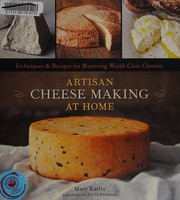
Bridges the gap between fresh and aged styles with beautifully explained technique, covering cultures, molds, and presses. Its logical progression from soft to hard cheeses makes it the ideal next step after Carroll.

Structured as a mentorship from professional cheesemakers, it deepens understanding of the 'why' behind each step — critical before you start troubleshooting your own aged wheels.
The Cave: Aging, Affinage & Food Safety
IntermediateSet up a safe home aging environment (cave, mini-fridge, or cellar), understand affinage (rind washing, turning, humidity control), and apply food-safety science to long-aged cheeses.
▸ Study plan for this stage
Pace: 6–8 weeks total. Week 1–4: Read the aging/affinage chapters of "Mastering Artisan Cheesemaking" by Gianaclis Caldwell (~25–35 pages/day), focusing on her detailed science of cave environments, humidity, temperature, and rind development. Week 5–8: Read the relevant sections of "The Art of Natural Ch
- Aging environment engineering: how to convert a mini-fridge, wine cooler, or cellar into a functional cave with stable temperature (50–55°F) and humidity (80–95% RH), as detailed by Caldwell
- Affinage techniques: rind washing with brine, wine, or beer; brushing; turning schedules; and bandaging — drawn from Caldwell's systematic affinage protocols
- Rind ecology and microbiology: the role of beneficial molds (P. candidum, B. linens, Geo), yeasts, and bacteria in rind formation, as explained scientifically by Caldwell and philosophically by Asher
- Natural vs. controlled aging: Asher's argument for wild, ambient cultures and unpasteurized milk as drivers of complex, self-regulating rinds versus Caldwell's precision-controlled approach
- Food safety in long-aged cheeses: Listeria, Staph aureus, and pathogen risk management during aging; Caldwell's coverage of HACCP principles applied to the home cave
- Humidity and airflow management: the interplay of moisture loss, case hardening, unwanted mold blooms, and how both authors approach preventing or correcting common aging defects
- Reading the cheese: sensory and visual cues (color, smell, texture of rind) used to assess aging progress and intervene appropriately, synthesized across both books
- Sustainability and ethics of affinage: Asher's holistic, terroir-driven perspective on aging as an extension of natural cheesemaking philosophy
- According to Caldwell, what are the three most critical environmental variables to control in a home aging cave, and what are their ideal ranges for a washed-rind vs. a natural-rind cheese?
- How does Asher's philosophy of natural affinage differ from Caldwell's more interventionist approach, and what practical compromises might a home cheesemaker make between the two?
- What food-safety risks are specific to long-aged cheeses (as opposed to fresh cheeses), and what mitigation strategies does Caldwell recommend for the home environment?
- Describe the step-by-step rind-washing process as outlined by Caldwell: frequency, solutions used, tools, and how you assess whether the rind is developing correctly.
- What role do wild yeasts and ambient molds play in Asher's natural aging method, and how does he manage unwanted mold without synthetic antifungals?
- How would you diagnose and correct the three most common aging defects — excessive cracking, unwanted black/green mold bloom, and case hardening — using guidance from both books?
- Cave build: Convert a mini-fridge or dedicated cooler into a home aging cave. Use Caldwell's environmental specs as your target; log temperature and humidity twice daily for two weeks using a hygrometer/thermometer and adjust as needed before placing any cheese inside.
- Affinage journal: Age at least two wheels simultaneously (e.g., a simple tomme and a washed-rind cheese). Keep a dated log with photos documenting every turning, washing, brushing, and observed rind change — modeled on the affinage tracking Caldwell describes.
- Rind-washing experiment: Following Caldwell's protocols, prepare three different washing solutions (plain brine, brine + B. linens culture, and one flavored wash such as beer or wine). Apply each to a separate small wheel and compare rind color, aroma, and texture at 2, 4, and 6 weeks.
- Natural vs. controlled side-by-side: Make two identical batches of a semi-hard cheese. Age one using Caldwell's controlled protocol (specific humidity, turning schedule, targeted cultures) and one using Asher's hands-off, ambient-culture approach. Taste and compare at the same milestone.
- Food-safety audit: Using Caldwell's food-safety framework, conduct a written HACCP-style hazard analysis of your home cave — identify at least five critical control points, their risks, and your corrective actions.
- Sensory calibration: Source 3–4 commercially aged cheeses (washed-rind, bloomy, natural-rind, alpine) and practice the sensory assessment vocabulary from both Caldwell and Asher — describe rind appearance, aroma, paste texture, and flavor, then map each cheese to the aging conditions that would have produced it.
Next up: Mastering the aging environment and affinage science here builds the controlled, observational mindset needed to tackle advanced cheese styles — such as blues, alpine wheels, and waxed aged cheddars — where even more precise cave management and style-specific affinage techniques become the central challenge.

The most scientifically rigorous home-cheesemaking book available — covers microbiology, chemistry, and affinage in depth. It belongs here because you now have enough hands-on experience to absorb and apply its technical detail.

Introduces kefir-based and wild-culture methods that deepen your understanding of living microbial ecosystems in cheese, providing a counterpoint to commercial-culture approaches and expanding your safety intuition.
Artisan Mastery: Classic European Wheels
ExpertReplicate iconic aged styles (Gruyère, Parmesan, Manchego, blue cheeses) with professional-level precision, and understand the regional traditions and milk chemistry behind each.
▸ Study plan for this stage
Pace: 10–12 weeks total: Weeks 1–6 cover "Cheese and Culture" (~25–30 pages/day, reading alongside note-taking on regional traditions and milk science); Weeks 7–12 cover "American Farmstead Cheese" (~20–25 pages/day, with slower pacing to absorb the technical cheesemaking and business chapters deeply). Re
- The historical and geographic origins of iconic European wheels (Gruyère, Parmigiano-Reggiano, Manchego, Roquefort/Gorgonzola) and how terroir, climate, and pastoral traditions shaped their defining characteristics, as explored in 'Cheese and Culture'
- The role of milk chemistry — fat globule structure, casein micelle behavior, lactose fermentation, and mineral content — in determining the texture, flavor, and aging potential of hard and semi-hard wheels, as detailed in both Kindstedt books
- Starter culture ecology: thermophilic vs. mesophilic cultures, their metabolic byproducts (lactic acid, CO₂, flavor compounds), and how culture selection drives the identity of each classic style, per 'American Farmstead Cheese'
- Curd syneresis and pressing mechanics: how cutting size, cooking temperature, stirring duration, and pressing weight interact to expel whey and build the open or dense paste structure characteristic of each wheel style, from 'American Farmstead Cheese'
- Affinage science: the biochemical cascades of proteolysis and lipolysis during aging, how cave humidity, temperature, and rind treatments (washing, brushing, piercing for blues) direct flavor development, as covered in 'American Farmstead Cheese'
- The function of secondary and adjunct cultures — Propionibacterium freudenreichii for eye formation in Gruyère-style cheeses, Penicillium roqueforti for blue veining, surface yeasts for washed rinds — and how to manage them at home, per 'American Farmstead Cheese'
- How Kindstedt's cultural-historical lens in 'Cheese and Culture' reveals why authenticity in replication requires understanding not just recipes but the ecological and social systems that produced each cheese
- Milk sourcing decisions for advanced makes: raw vs. pasteurized milk trade-offs, seasonal fat/protein variation, and how 'American Farmstead Cheese' frames these as the foundational variable for farmstead-quality results
- After reading 'Cheese and Culture,' can you trace the specific environmental and cultural pressures — geography, trade routes, monastic influence, pastoral systems — that gave rise to at least three of the classic European wheels you are trying to replicate, and explain how those pressures are encoded in the cheese's technical requirements?
- Drawing on 'American Farmstead Cheese,' what are the precise curd-cooking temperature ranges and their effects for a thermophilic hard cheese (e.g., Parmesan-style) versus a mesophilic semi-hard cheese (e.g., Manchego-style), and why does this difference matter for final texture?
- How does Kindstedt explain the relationship between calcium, pH drop rate, and curd fusion during pressing in 'American Farmstead Cheese,' and what can go wrong if acidification runs too fast or too slow for a Gruyère-style make?
- What specific affinage interventions — frequency of turning, humidity targets, rind treatment schedules — does 'American Farmstead Cheese' prescribe for developing a properly knit natural rind on a long-aged wheel, and how do these connect to the historical cave-aging traditions described in 'Cheese and Culture'?
- How does 'American Farmstead Cheese' describe the mechanism by which Penicillium roqueforti produces blue veining, and what piercing, humidity, and temperature conditions must you replicate at home to achieve even distribution of the mold?
- In what ways does Kindstedt argue in both books that American farmstead cheesemakers can authentically engage with European traditions without mere imitation — and how should this philosophy shape your own approach to adapting classic wheel recipes to your local milk and environment?
- History-to-Recipe Mapping: For each of the four wheel families (Alpine/Gruyère, Grana/Parmesan, Iberian/Manchego, Blue), write a one-page brief using 'Cheese and Culture' that connects one historical or geographic fact to a concrete technical requirement in the make process (e.g., Alpine transhumance → high-cook thermophilic curd → dense, flexible paste). Pin these briefs above your make space.
- Milk Chemistry Log: Before each advanced make, measure and record your milk's pH, temperature, and — if possible — fat and protein percentage. Cross-reference with the milk chemistry chapters in 'American Farmstead Cheese' to predict how your specific milk will behave during acidification and pressing, then compare your prediction to the actual outcome.
- Sequential Wheel Makes (one per month): Execute one make from each of the four classic families in order of aging complexity — Manchego (shortest), Gruyère-style, Blue, Parmigiano-style (longest) — following the technical parameters in 'American Farmstead Cheese' and documenting every variable (culture dose, cook temp, press weight/time, pH at drain, aging conditions) in a dedicated make journal.
- Affinage Observation Journal: For each aging wheel, photograph and record rind development, aroma, and any surface anomalies every 7 days. At each tasting milestone (30, 60, 90, 180 days as applicable), use the proteolysis and lipolysis descriptions in 'American Farmstead Cheese' to identify and name the flavor compounds you detect (e.g., 'nutty/brothy = glutamate from protein breakdown; sharp/pep
- Culture Comparison Experiment: Make two identical small-format wheels (e.g., a pressed tomme) — one with a mesophilic culture and one with a thermophilic culture — keeping all other variables constant. Age them side by side for 60 days and write a structured tasting note comparing texture, paste openness, and flavor, explicitly linking differences back to the culture metabolism chapters in 'Americ
- Terroir Adaptation Essay: After completing all four wheel makes, write a 500-word reflection (inspired by Kindstedt's argument in both books) on how your local milk, climate, and aging space have already begun to diverge from the European original — and propose two intentional adjustments you would make in your next iteration to either honor the tradition more closely or consciously develop your o
Next up: Mastering the science and tradition behind classic European wheels — particularly the milk chemistry, culture management, and affinage principles grounded in both Kindstedt books — equips the reader with the analytical framework and hands-on precision needed to tackle the next stage: developing original, place-based recipes and scaling or refining processes toward a personal or commercial cheesema
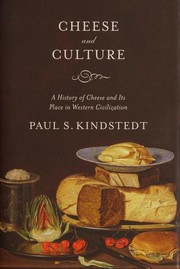
A food historian and dairy scientist traces every major cheese style to its cultural and biochemical origins — essential context for understanding WHY classic recipes are built the way they are before you attempt to replicate them.
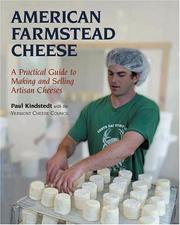
Kindstedt's practical companion to his historical work, covering milk quality, seasonal variation, and the science of long-aged farmstead wheels. Caps the curriculum by connecting deep theory to real production decisions.
Discussion
Keep reading
Paths that share books, cover the same subject, or open a related topic.