Storytelling is the meta-skill — it sits underneath writing, speaking, marketing, teaching, and leading. Get good at it and a dozen other abilities improve at once. That's why it's worth studying directly rather than absorbing by accident, and why the reading order matters: understand why stories grip us, then how they're built, then how to fill them with life.
Learn storytelling from books: the skill under every other skill
July 6, 2026 · 1 min read
The path, stage by stage
Our storytelling path works from theory to craft.
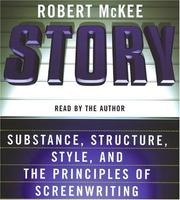
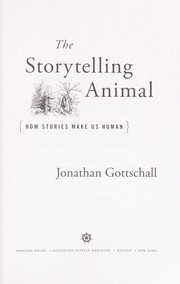
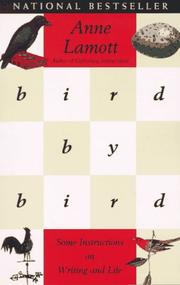
Foundations — what stories are and why they work. McKee's Story, Gottschall's The Storytelling Animal (the science of why our brains run on narrative), and Lamott's Bird by Bird. First, why stories hold us.
Structure — the architecture of narrative. Campbell's The Hero with a Thousand Faces (the monomyth beneath countless stories) and Save the Cat! — the skeletons underneath.
Character and scene. Gardner's The Art of Fiction and Writing Fiction — the living tissue that makes structure breathe.
Mastery — the deeper art. King's On Writing and James's The Art of the Novel — storytelling as a lifelong practice.
The habit: deconstruct one story a week
The exercise that builds narrative instinct: take a story that moved you — a film, a novel, even an ad — and map its structure. Where's the turn, the stakes, the change? Naming the moves in stories you love trains you to make them in your own. The books give you the vocabulary; deconstruction makes it reflex.
Around 62 hours. Follow the path or browse the storytelling hub. It's the root of screenwriting, writing well, and public speaking.
FAQ
- Is storytelling only for fiction writers?
- Far from it — the path is built for anyone who needs to hold an audience: founders pitching, leaders explaining change, marketers, teachers. Narrative is a general-purpose persuasion and memory tool.
- Story or The Hero with a Thousand Faces first?
- Story first — McKee is the more practical foundation. Campbell is profound but abstract; it lands better once you have McKee’s working model of how drama actually operates.
Get the books
- 1StoryAmazon ↗Robert McKee
- 2The Storytelling AnimalAmazon ↗Jonathan Gottschall
- 3Bird by BirdAmazon ↗Anne Lamott
- 4The hero with a thousand facesAmazon ↗Joseph Campbell
- 5Save the cat!Amazon ↗Blake Snyder
- 6The Art of FictionAmazon ↗John Gardner
As an Amazon Associate we earn from qualifying purchases. Some book links are affiliate links; you pay the same price and we may earn a small commission.
Follow the full reading path
How to learn Storytelling
Beginner9books62 hrs4 stages
@craftsherpa♥ 0
Ready to learn something deeply?
Build a reading path — free