Russian literature has a reputation for being the deep end of the pool: thousand-page novels, patronymics that change every paragraph, spiritual crises on every other page. That reputation is earned — and it's precisely why so many readers dive in at War and Peace, drown by page 200, and conclude the Russians aren't for them. The fix is order. Start with a guide and short works, build the muscle, and only then attempt the giants.
Russian literature: where to start and how to go deep
July 12, 2026 · 2 min read
Get a guide and warm up
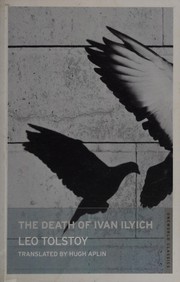
Begin with A Swim in a Pond in the Rain by George Saunders — a working novelist walking you through seven Russian short stories, teaching you how these writers actually build meaning. It's the best possible orientation. Then read a genuinely short masterpiece: The Death of Ivan Ilyich by Leo Tolstoy, a novella that delivers the full Tolstoyan force in under a hundred pages, and Notes from Underground by Fyodor Dostoevsky, the compact, unsettling overture to everything Dostoevsky does at length.
Enter the great novels
Now you're ready to build. Take Tolstoy first, because his psychological realism is the more accessible on-ramp. Anna Karenina is the more contained of his two epics — start there — before committing to War and Peace, the vast panorama of Russia at war and peace that rewards the reader who arrives prepared.
Then cross to Dostoevsky, whose novels are arguments about faith, freedom, and guilt. Crime and Punishment is the ideal entry — a taut psychological thriller of conscience — and The Brothers Karamazov is the summit, the philosophical novel that existentialists have mined ever since.
Go wider
Round out the tradition with three more. Dead Souls by Nikolai Gogol is the great comic satire of Russian society, Fathers and Sons by Ivan Turgenev is the elegant, humane novel of generational conflict and nihilism, and The Master and Margarita by Mikhail Bulgakov is the wild Soviet-era fantasy — the devil visits Moscow — that shows the tradition's twentieth-century turn.
How to actually study this
Pick one modern translation and stick with it (translation matters enormously here). Keep a character list for the big novels — the names, nicknames, and patronymics are the real difficulty, not the ideas. Read the short works closely and the long ones with momentum; the Russians reward immersion more than annotation. And let the philosophical weight land: these books ask how to live, which is why they sit so close to existentialism.
Read them in order on the full reading path, explore the Russian literature hub, or browse Discover to connect the novels with existentialism and history.
FAQ
- What Russian novel should I read first?
- Don’t start with War and Peace. Warm up with A Swim in a Pond in the Rain and short works like The Death of Ivan Ilyich, then read Anna Karenina or Crime and Punishment.
- Tolstoy or Dostoevsky first?
- Tolstoy. His psychological realism (Anna Karenina) is the gentler on-ramp; move to Dostoevsky’s Crime and Punishment and The Brothers Karamazov once you’ve built momentum.
Get the books
- 1A Swim in a Pond in the RainAmazon ↗George Saunders
- 2The death of Ivan Ilyich and The devilAmazon ↗Tolstoy, Leo, graf, 1828-1910
- 3Anna KareninaAmazon ↗Tolstoy, Leo, graf, 1828-1910
- 4War and PeaceAmazon ↗Лев Толстой
- 5Dostoyevsky. Notes From Underground / White Nights / The Dream of a Ridiculous Man / Selections from The House of the DeadAmazon ↗Fyodor Dostoyevsky
- 6Crime and PunishmentAmazon ↗Michael R. Katz
As an Amazon Associate we earn from qualifying purchases. Some book links are affiliate links; you pay the same price and we may earn a small commission.
Follow the full reading path


Russian literature: where to start & how to go deep
Beginner10books97 hrs4 stages
Ready to learn something deeply?
Build a reading path — free