Everyone already has moral opinions. What moral philosophy offers is something rarer: the ability to reason about right and wrong carefully, to see why thoughtful people disagree, and to hold your own views up to real scrutiny. It will not hand you a rulebook, and any book that claims to should be read with suspicion.
Learn Ethics From Books: The Best Reading Order
July 12, 2026 · 2 min read
Why order matters here
The primary texts — Aristotle, Kant, Mill — are magnificent but assume vocabulary and context that a beginner does not have. Drop into them cold and you will bounce off. A good path gives you the lay of the land first, then the major theories one at a time, then the arguments among them.
The path, stage by stage
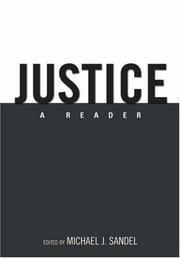
Start with the friendliest possible door. Justice by Michael Sandel uses vivid real-world dilemmas to introduce the major ethical frameworks, and it is genuinely fun to read. Follow it with The Right Thing To Do by James Rachels, a clear survey that lays out the main theories side by side.
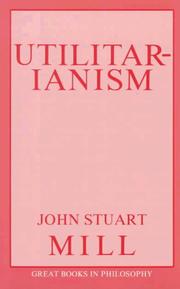
Now meet the theories in their own words, one school at a time. For virtue ethics, read Aristotle — the path anchors this in the Nicomachean ethics of Aristotle, on character and human flourishing. For duty-based ethics, Groundwork of the metaphysics of morals by Immanuel Kant argues that morality is about universal rules and treating people as ends. For consequences, Utilitarianism by John Stuart Mill makes the case that the right act is the one producing the most good.
Then complicate the picture. After virtue by Alasdair MacIntyre argues that modern moral debate is broken and that we should return to virtue traditions — a bracing challenge to everything above. Practical ethics by Peter Singer applies theory to charged real issues, and his The expanding circle traces how our moral concern widens over time.
For the deep end, Ethics by J. L. Mackie questions whether moral facts exist at all, and Reasons and Persons by Derek Parfit is a dazzling, difficult book about identity, rationality, and what we owe the future.
How to actually study this
Ethics is done through argument, so read with a pen and argue back. For each theory, ask what it gets right, where it fails, and what a defender would say to your objection. Try applying two rival frameworks to the same hard case and watch them diverge. The goal is not to win but to think more clearly — and to notice when a confident conclusion is resting on a shaky premise.
Go further with the full reading path, the ethics hub, or browse more paths.
FAQ
- What is the best introduction to ethics?
- *Justice* by Michael Sandel is a widely loved starting point because it introduces the major theories through concrete, gripping dilemmas.
- Do I need to read the original philosophers?
- Eventually, yes — reading Kant, Mill, and Aristotle in their own words is the point. But start with a modern survey so you have the context to understand them.
Get the books
- 1JusticeAmazon ↗Michael J. Sandel
- 2Amazon ↗
- 3UtilitarianismAmazon ↗John Stuart Mill
- 4Groundwork of the metaphysics of moralsAmazon ↗Immanuel Kant
- 5After virtueAmazon ↗Alasdair C. MacIntyre
- 6Practical ethicsAmazon ↗Peter Singer
As an Amazon Associate we earn from qualifying purchases. Some book links are affiliate links; you pay the same price and we may earn a small commission.
Follow the full reading path

Ethics: how to think about right and wrong
Beginner10books66 hrs4 stages
Ready to learn something deeply?
Build a reading path — free