Cloud computing is the substrate almost all modern software now runs on, and most people learn it as a pile of disconnected tools — a bit of AWS here, some Docker there, a Kubernetes tutorial they half-followed. The result is knowledge with no spine: you can click through a console but you cannot reason about why the system is built the way it is. A reading path fixes that by building understanding from the concept down to the running service.
One honest note: cloud skills are practice skills. Reading builds the mental model, but you only truly learn by spinning up real infrastructure, breaking it, and paying attention to the bill. Use these books as scaffolding around hands-on work.
Why order matters here
You need the why before the how. Start with the shift that made the cloud inevitable, then the concrete platforms, then the patterns for building systems that survive scale. Jump straight to Kubernetes and you are memorizing commands with no idea what problem they solve.
The path, stage by stage
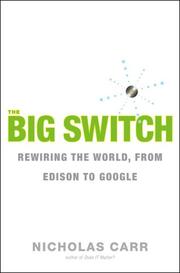
Begin with The Big Switch by Nicholas G. Carr, which frames computing as a utility like electricity and explains why the industry moved to the cloud at all. Then get concrete with Amazon Web Services in Action by Andreas Wittig, a hands-on tour of the services you will actually use.
Next, learn the packaging model that made modern cloud portable. Docker : up and Running by Sean Kane teaches containers, and Kubernetes: Up and Running by Kelsey Hightower teaches how to orchestrate them at scale — read them in that order, because Kubernetes only makes sense once containers do.
Now go deeper into system design. Designing Data-Intensive Applications by Martin Kleppmann is the modern classic on building reliable, scalable data systems, and Building Microservices by Sam Newman covers how to split an application without creating chaos. The art of scalability by Martin L. Abbott adds the organizational and architectural view of growth.
For the payoff, Cloud Native Patterns by Cornelia Davis codifies the patterns of resilient cloud applications, and Terraform : Up & Running by Yevgeniy Brikman teaches infrastructure as code — the discipline that keeps all of this reproducible instead of hand-built and fragile.
How to actually learn this
Read with a cloud account open and a strict budget. After each book, build the smallest real thing that uses its ideas — a containerized app, a Terraform-managed environment — and then deliberately break it to see how it fails. Keep notes on the trade-offs each tool makes; cloud engineering is mostly choosing which problems to accept. The reading gives you the vocabulary; the practice makes it yours.
Ready to build the skill? Follow the full reading path for the staged study plan, visit the subject hub, or explore related paths.
Ready to learn something deeply?
Build a reading path — free