Jim Crow is often taught as a mood, an ugly era of signs and separate fountains. It was actually an architecture, a deliberate legal and economic system built after Reconstruction and dismantled only through decades of struggle. A good reading order matters because you need the origins before the resistance, or the movement looks like a spontaneous eruption instead of an answer to a century of engineered oppression.
Start with how the system was built, add the human record of what it did, then follow the fight that ended its legal form.
How the system was built
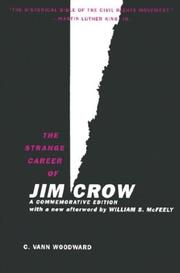
Begin with The strange career of Jim Crow, C. Vann Woodward's classic argument that segregation was a chosen post-Reconstruction policy, not an ancient inevitability. Ground it with Reconstruction: America's Unfinished Revolution, 1863-1877, Eric Foner's definitive history of the brief experiment in multiracial democracy that Jim Crow was designed to reverse.
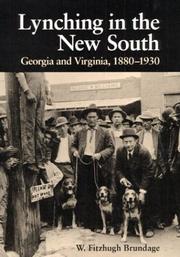
Then confront the enforcement. Red Record, Ida B. Wells-Barnett's pioneering documentation of lynching, is primary-source journalism that named the terror for what it was, and Lynching in the New South by W. Fitzhugh Brundage gives the fuller scholarly anatomy. For the housing dimension that shaped cities for generations, The Color of Law, Richard Rothstein's account of government-sponsored segregation, is essential and sobering.
The response and the reckoning
Millions answered Jim Crow by leaving. The Warmth of Other Suns, Isabel Wilkerson's narrative history of the Great Migration, follows three lives north and west with novelistic force. Black Boy, Richard Wright's memoir of coming of age under segregation, gives the interior view no statistic can.
For the legal and political fight, Simple justice, Richard Kluger's history of the road to Brown v. Board, shows how the courtroom strategy came together. Then Parting the Waters: America in the King Years 1954-63, Taylor Branch's monumental chronicle of the movement, and Eyes on the Prize: America's Civil Rights Years, 1954-1965 by Juan Williams, the companion to the landmark series, carry you through the campaigns that broke legal segregation.
Read in order, the path shows a system and the long fight against it, not a villain and a happy ending. Follow the full path to move through the books in sequence.
Follow the full reading path →
Ready to learn something deeply?
Build a reading path — free