Iraq contains both the cradle of civilization and one of the twenty-first century's defining disasters. The same land that produced the first cities, laws, and writing became, within living memory, the site of dictatorship, invasion, occupation, and insurgency. Reading its history in order connects those extremes: the modern state's fragility makes sense only against the deep past and the artificial way the country was assembled after the Ottoman collapse.
The path moves from antiquity through the colonial creation of Iraq to the Baathist era and the American war, treating the 2003 invasion and its aftermath through careful accounts rather than partisanship.
Ancient roots and the colonial state
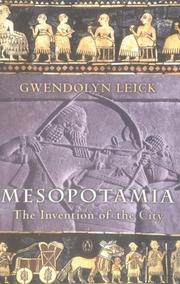
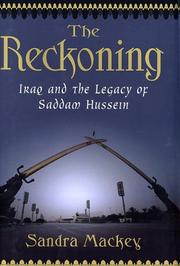
Start with Mesopotamia by Gwendolyn Leick, a vivid history of the world's first cities that grounds Iraq in its extraordinary antiquity. Then read The Reckoning by Sandra MacKey for a sweeping account of how modern Iraq came to be, and A line in the sand by James Barr on how Britain and France carved up the Middle East after the First World War. Gertrude Bell by Georgina Howell profiles the remarkable British official who helped draw Iraq's borders, making concrete how artificial the new state was.
Dictatorship
The Baathist era defines modern Iraq. Republic of fear by Kanan Makiya is the classic anatomy of Saddam Hussein's terror state, written before the regime fell, and The Demise of the Soviet Union and the Fate of Saddam Hussein traces how the end of the Cold War reshaped Saddam's calculations. Together they explain the regime that the 2003 war set out to destroy.
Invasion, occupation, and its aftermath
The American war is best understood through its clearest chroniclers. Fiasco by Thomas Ricks is the authoritative account of the flawed military campaign and occupation, and Imperial Life in the Emerald City by Rajiv Chandrasekaran exposes the surreal mismanagement of the Green Zone. The assassins' gate by George Packer traces the war's ideological origins and human costs. The longest August by Dilip Hiro widens the regional lens, The ISIS Apocalypse by William McCants explains the movement that rose from the chaos, and Iraq after America by Joel Rayburn closes the path with the fragile aftermath of the occupation.
Read in this order, Iraq's tragedy connects to its grandeur, and both become comprehensible. Follow the full path to see the whole span.
Follow the full reading path →
Ready to learn something deeply?
Build a reading path — free