The history of Saudi Arabia is easy to caricature and hard to actually understand. In roughly a century a family of Najdi rulers, a puritan religious movement, and the largest oil reserves on Earth fused into one of the most consequential states in the world. Read the wrong book first and you get a fragment, an oil story with no religion in it, or a religion story with no oil.
The fix is order. Start with the sweep of the dynasty, then take the two forces that power it, faith and petroleum, one at a time, before you follow the modern shocks that reshaped the kingdom.
The dynasty and its two engines
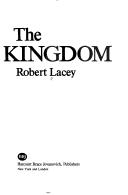
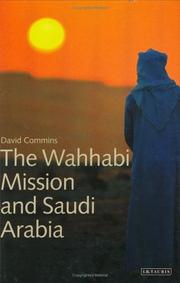
Begin with The Kingdom, Robert Lacey's panoramic narrative of the Al Saud from raiders to rulers. It is the spine everything else hangs on. Then read The Wahhabi Mission and Saudi Arabia, David Commins' careful account of the eighteenth-century pact between Muhammad ibn Abd al-Wahhab and the House of Saud, which explains the religious authority that still legitimizes the state.
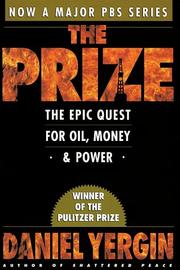
With the political and religious roots in place, turn to oil. The Prize, Daniel Yergin's sweeping history of petroleum, is not only about Saudi Arabia, but no book better explains why the kingdom matters to the whole planet. Follow it with Aramco and its World, which zooms into the company that turned crude into a modern nation, and Prophets and Princes, Mark Weston's readable survey linking the rulers to the resource.
The modern shocks
Modern Saudi Arabia was forged in crises, and two books capture the turning point. The Siege of Mecca, Yaroslav Trofimov's gripping reconstruction of the 1979 seizure of the Grand Mosque, shows the moment the state doubled down on religious conservatism. Inside the Kingdom, Lacey again, traces the decades of tension between oil wealth, piety, and a restless young population.
Two family stories deepen the picture. The Bin Ladens, Steve Coll's multigenerational portrait of the construction dynasty, is really a history of Saudi ambition and its darkest offshoot. Close with MBS: The Rise to Power of Mohammed bin Salman, Ben Hubbard's reported account of the crown prince remaking the country from the top down, for better and worse.
These are histories, not endorsements or indictments. Read together and in sequence, they let you hold the religion, the oil, and the power in one frame rather than arguing past each other. Follow the full path to move through them in the right order.
Follow the full reading path →
Ready to learn something deeply?
Build a reading path — free