The nineteenth century is when the novel became the novel — the dominant literary form, capacious enough to hold a whole society and intimate enough to render a single consciousness. Reading this tradition rewards an order, and the natural starting point is Jane Austen, whose prose is clear, witty, and inviting, before you move to the longer, denser, more experimental books that followed. Start with Austen's precision and the era's warmth, then let the novels lengthen and darken, and by the end you can read the most psychologically searching fiction of the age with confidence.
Jane Austen and the 19th-Century Novel: Where to Begin and What to Read
July 14, 2026 · 2 min read
Begin with Austen
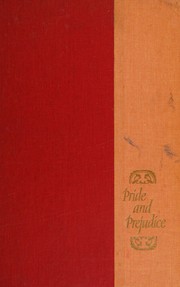
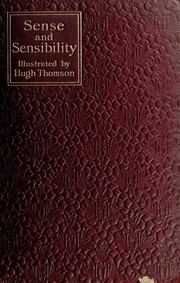
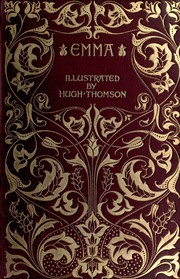
There is no better entrance than Austen herself. Pride and Prejudice is the perfect first book — sparkling, ironic, and irresistibly readable, a comedy of manners that has never gone out of print. Sense and Sensibility deepens the picture with its contrast of head and heart. Emma, subtler and more demanding, rewards a reader who has already caught Austen's rhythm and delights in her sly, unreliable heroine. Read in this order, Austen teaches you to hear irony and read character between the lines.
The Brontës and the passionate novel
From Austen's cool wit, turn to the heat of the Brontës. Jane Eyre by Charlotte Brontë is passionate, gothic-tinged, and gripping — a story of conscience and independence that pulls you through effortlessly. Wuthering Heights by Emily Brontë is stranger and wilder, a fierce novel of obsession whose structure repays a reader ready to work a little. Together they show the era's Romantic intensity, a different music from Austen's.
The great Victorian novels
Now the big books. Great Expectations by Charles Dickens gives you his richest, most controlled novel — vivid characters, a propulsive plot, and real emotional depth, an ideal Dickens to read first. Middlemarch by George Eliot is the era's masterpiece of social and moral intelligence, long and rewarding, best read once you trust your stamina. These are the novels that show the form at full stretch.
Toward the modern
Close with two books that push toward the twentieth century. Tess of the d'Urbervilles by Thomas Hardy is a powerful, tragic novel of fate and injustice, darker than what came before. And The Portrait of a Lady by Henry James turns the focus almost entirely inward, tracing a consciousness with a psychological subtlety that points straight toward the modern novel. Reaching them last, you feel the whole tradition tighten and deepen.
That is the arc — Austen's clarity to James's interiority — each stage preparing you for the next. Follow the full path in order and the nineteenth-century novel opens as a single, magnificent conversation.
FAQ
- Which Jane Austen novel should I read first?
- Pride and Prejudice is the ideal starting point — witty, accessible, and beloved for good reason. From there, Sense and Sensibility and the subtler Emma reward you once you have tuned in to Austen's irony.
- Are Victorian novels too long for a first-timer?
- They are longer, but you build up to them. Starting with Austen and the Brontës develops the reading stamina for giants like Middlemarch, so the length feels like immersion rather than a chore.
Get the books
- 1Pride and PrejudiceAmazon ↗Jane Austen
- 2Sense and SensibilityAmazon ↗Jane Austen
- 3EmmaAmazon ↗Jane Austen
- 4Jane EyreAmazon ↗Charlotte Brontë
- 5Wuthering HeightsAmazon ↗Emily Brontë
- 6Great ExpectationsAmazon ↗Charles Dickens
As an Amazon Associate we earn from qualifying purchases. Some book links are affiliate links; you pay the same price and we may earn a small commission.
Follow the full reading path
Jane Austen and the 19th-century novel: where to begin and what to read
Beginner9books108 hrs4 stages
@craftsherpa♥ 0
Ready to learn something deeply?
Build a reading path — free