Italian flatters beginners. The sounds are clean, the spelling is honest, and a few weeks of study buys real sentences. The trouble comes later: verb conjugations multiply, the subjunctive appears, and the gap between a phrasebook and an actual paragraph of Italian feels enormous. A good reading order closes that gap on purpose, letting each book hand off to the next instead of leaving you stranded on a plateau.
The trick is to keep three threads moving together — grammar you can explain, verbs you can produce, and text you can actually read — rather than binge one and neglect the others.
Foundations first
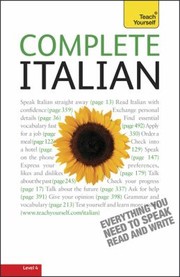
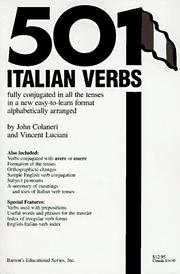
Start where the rules are gentle and explicit. Italian Grammar in Practice pairs short explanations with drills, so you build habits instead of just recognizing patterns. Teach Yourself Complete Italian runs alongside it as a full beginner course, giving dialogues and a sense of how the pieces fit into conversation. Because Italian lives or dies on its verbs, bring in 501 Italian verbs early as a reference you conjugate against daily, then consolidate everything with Practice Makes Perfect Complete Italian Grammar, which drills the same structures until they stop feeling foreign.
None of these should be read cover to cover in isolation. Treat them as a rotating desk: a grammar point, a verb table, a page of practice, repeat.
Reading before you feel ready
The fastest way off the beginner plateau is graded reading, and it should start earlier than most learners think. Short Stories in Italian for Beginners is built for exactly this moment — comprehensible stories with support, so you read for meaning rather than decoding word by word. Italian Short Stories for Beginners gives you a second dose of low-stress input, which matters because volume, not intensity, is what makes vocabulary stick. As your confidence grows, Italiano: Pronti, via! pushes you toward more natural, connected Italian and heavier verb use.
Read these fast and forgivingly. The goal is mileage: finishing stories, meeting the same words in new contexts, and training your eye to move at the speed of the language.
Making it stick, and going deeper
Two books turn effort into retention. Fluent forever is not an Italian text at all — it is a method for building durable memory with spaced repetition and pronunciation work, and applying it to the vocabulary and verb forms above is what prevents the slow leak most learners fight. Finally, Italian: An Essential Grammar becomes your reference for the harder terrain — the subjunctive, pronoun combinations, and the finer points you will want settled once you are reading and speaking regularly.
By this stage the books have quietly swapped roles: the early courses become review, the stories become your daily habit, and the essential grammar becomes the thing you reach for when something in real Italian surprises you. Follow the full path in order and each stage earns the next.
Follow the full reading path →
Ready to learn something deeply?
Build a reading path — free