British literature is less a list than a conversation across seven centuries, with each writer answering the last. Read it in rough chronological order and you watch English itself change, the novel get invented, and ideas about class, faith, and empire shift under your feet. Jump around and you miss the echoes. The order below is a guided arc from the medieval to the contemporary.
Expect the earliest works to demand patience with older language, and the payoff to be that later books feel like replies you can now hear.
Medieval to Enlightenment
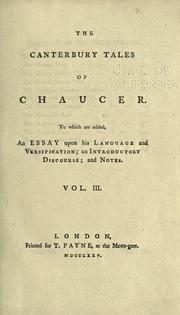
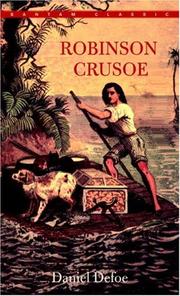
Start with The Canterbury Tales, Chaucer's panorama of medieval English life and the fountainhead of storytelling in the vernacular. Shakespeare's Hamlet gives you the Renaissance stage at its most searching, a play whose lines have shaped the language ever since. Robinson Crusoe by Daniel Defoe then marks the early novel and the age of exploration, individualism, and empire.
The Romantics and the great Victorians
The Romantics turn inward and outward at once: Songs of innocence and of experience by William Blake and the Selected poems and letters of John Keats capture the era's intensity of feeling. Then the nineteenth-century novel arrives in force. Pride and Prejudice perfects social comedy; Jane Eyre by Charlotte Brontë brings the passionate first-person voice; Great Expectations shows Dickens' sweep and conscience; and Middlemarch, George Eliot's study of provincial life, is often called the finest English novel of all.
Modern and contemporary
Modernism breaks the forms open. The Waste Land by T. S. Eliot and Mrs. Dalloway by Virginia Woolf reinvent poetry and the novel for a fractured century, while Collected Poems by Philip Larkin returns to a plainer, rueful English voice. The story then widens beyond Britain itself: Midnight's Children by Salman Rushdie writes the empire back, and Never Let Me Go by Kazuo Ishiguro closes the arc with a quiet, devastating contemporary classic.
Read in this order, the canon becomes a single long argument you can follow. Follow the full path to see how each writer answers the ones before.
Follow the full reading path →
Ready to learn something deeply?
Build a reading path — free