Subjects / Exploit development
Best books to learn Exploit development, in order
Exploit development is unforgiving of gaps: you cannot write a working exploit without genuinely understanding memory, the stack, and how a CPU executes code. A good path therefore starts with assembly and process internals, then classic stack overflows and shellcode, before layering on the modern mitigations (ASLR, DEP, canaries) and the bypass techniques that make current vulnerability research so demanding.
Reading paths for exploit development
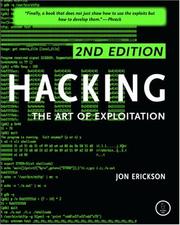
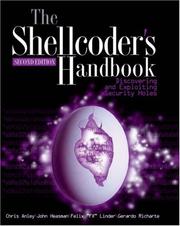
Learn Exploit Development: The Best Books, in Order
Beginner7books121 hrs5 stages
@codesherpa♥ 0
Popular exploit development books


Related reading
Frequently asked questions
- How should I approach learning exploit development?
- Exploit development is unforgiving of gaps: you cannot write a working exploit without genuinely understanding memory, the stack, and how a CPU executes code. A good path therefore starts with assembly and process internals, then classic stack overflows and shellcode, before layering on the modern mitigations (ASLR, DEP, canaries) and the bypass techniques that make current vulnerability research so demanding.
- What's a good book to start exploit development with?
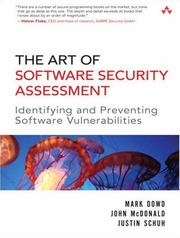
- A strong starting point is The art of software security assessment by Mark Dowd. The ordered reading paths above show exactly where it fits and what to read next.
- What should I read after exploit development?
- Once you have the fundamentals, explore closely related subjects like Perl programming, COBOL programming, MySQL database development.