Imposter syndrome — the nagging sense that you're a fraud about to be exposed — is nearly universal among capable people, which is exactly why it's so convincing. You can't logic your way out of it in one move. What helps is a reading order: name and understand it first, then build durable confidence and self-compassion, then reframe your relationship with success and ego.
Reading in sequence works because understanding disarms the feeling, confidence tools give you something to do, and the deeper reframes keep it from creeping back.
Name it and understand it
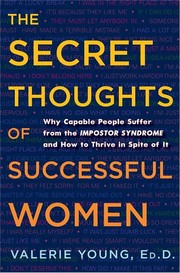
Start with The Secret Thoughts of Successful Women, the book that maps imposter syndrome in detail — its patterns, types, and why high achievers are most prone to it. Naming it precisely is a relief in itself. Presence then shows how to bring your true self to high-stakes moments and stop shrinking. And Whistling Vivaldi explains "stereotype threat," how identity-based expectations can quietly undermine performance — vital context for many who feel like outsiders. Read together, they replace "something's wrong with me" with "here's what's happening."
Build confidence and self-kindness
Now the tools. Feeling Good teaches CBT methods to challenge the distorted "I only got lucky" thinking that fuels the fraud feeling. Self-Compassion offers the antidote to the brutal self-judgment underneath it, and The Confidence Code draws on research about how confidence is built through action, not waiting to feel ready. These give you concrete ways to act despite the doubt.
Rethink success and ego
Finally, go deeper. Mindset reframes ability as something you grow, so mistakes stop feeling like exposure of a fraud. Ego is the Enemy offers a counterintuitive freedom — caring less about the story of being impressive frees you to do the work. And Daring Greatly and The Gifts of Imperfection close the loop by making vulnerability and imperfection feel like strength rather than risk. Read last, they change the frame that generates the doubt.
A brief honesty note: when self-doubt tips into persistent anxiety or depression, or stops you functioning, a therapist can help beyond what any book offers. These books complement that support; they don't replace it.
Follow the full reading path to move from feeling like a fraud toward owning what you've earned.
Follow the full reading path →
Ready to learn something deeply?
Build a reading path — free